Be Prepared Just in Case
 To explore Okinawa freely and visit a wide range of attractions, renting a car is often essential.
Planning your trip—choosing the perfect rental car, mapping out sightseeing spots, and selecting your hotel—can be an exciting part of the travel experience.
However, unexpected problems can happen to anyone while traveling. In fact, it is said that if a person drives for 50 years, the probability of being involved in a traffic accident is over 50%. That’s why it’s important to be prepared for the unexpected.
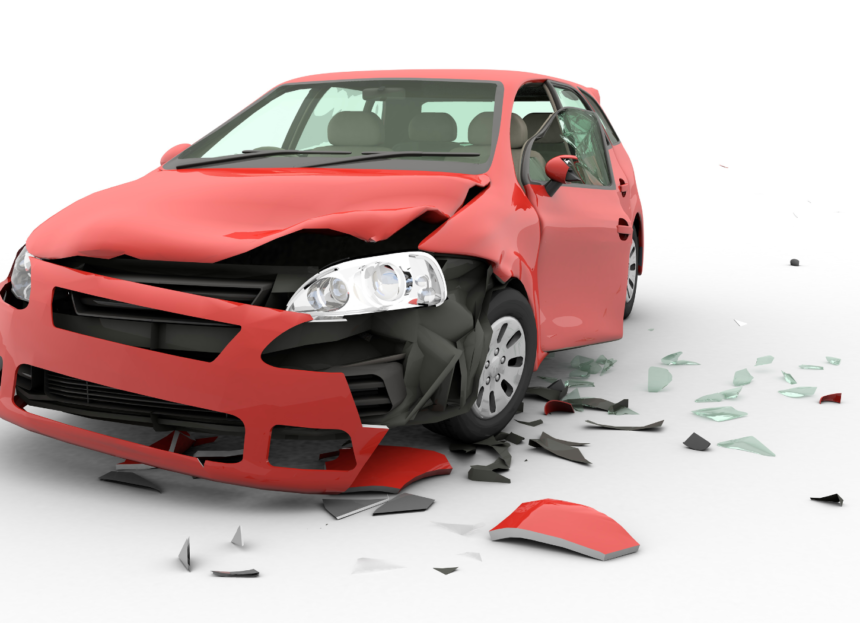
In this article, we’ll explain what to do if you accidentally damage your rental car during your trip.
Compare Okinawa Rental Car Prices Here.
To explore Okinawa freely and visit a wide range of attractions, renting a car is often essential.
Planning your trip—choosing the perfect rental car, mapping out sightseeing spots, and selecting your hotel—can be an exciting part of the travel experience.
However, unexpected problems can happen to anyone while traveling. In fact, it is said that if a person drives for 50 years, the probability of being involved in a traffic accident is over 50%. That’s why it’s important to be prepared for the unexpected.
In this article, we’ll explain what to do if you accidentally damage your rental car during your trip.
Compare Okinawa Rental Car Prices Here.
Never Try to Hide the Damage
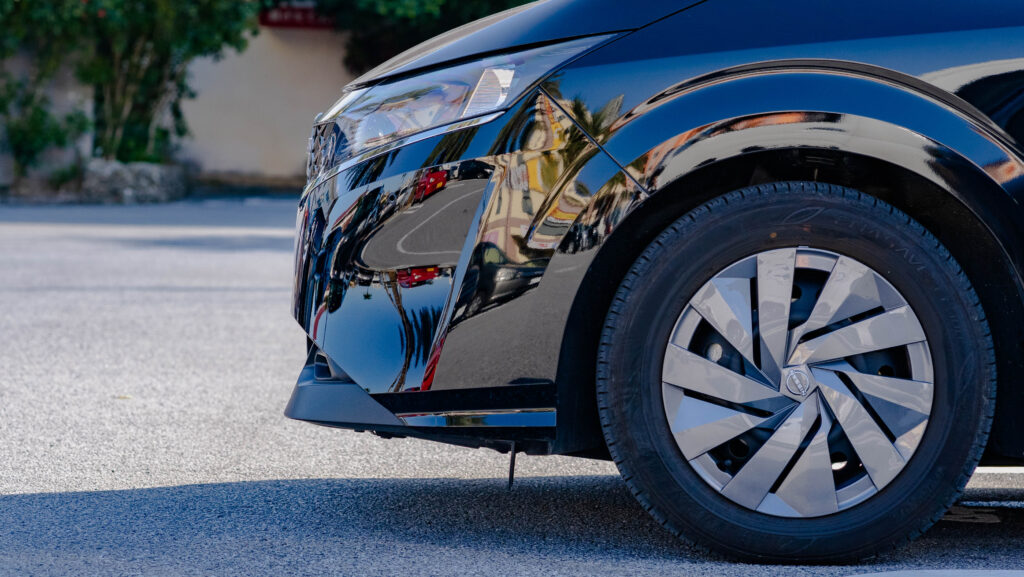 Damaging a rental car can be stressful, especially if it’s your first time renting one. You may start worrying about things like, “Will I have to pay a huge repair bill?” or “Will I be banned from renting cars in the future?”
However, the one thing you should never do is try to hide the damage.
Rental car companies carefully inspect their vehicles, and even minor scratches are often noticed. When you pick up and return the vehicle, you are usually asked to check the car together with a staff member and confirm any existing damage. If you fail to report damage that occurred during your rental period, your insurance coverage may not apply. As a result, you could be held responsible for the full repair cost, which can be quite expensive. In some cases, you may also be prohibited from renting from that company again in the future.
It’s also important to report any damage you notice before driving the vehicle, even if you did not cause it. During the pre-rental inspection, take your time and carefully check the car for scratches, dents, or other signs of damage.
In addition, never attempt to repair the damage yourself.
A rental car belongs to the rental company, not to you. Even if you pay for repairs on your own, the rental company may still charge additional fees if the repairs were not authorized or completed according to their standards. This could result in significantly higher costs than simply reporting the damage in the first place.
Damaging a rental car can be stressful, especially if it’s your first time renting one. You may start worrying about things like, “Will I have to pay a huge repair bill?” or “Will I be banned from renting cars in the future?”
However, the one thing you should never do is try to hide the damage.
Rental car companies carefully inspect their vehicles, and even minor scratches are often noticed. When you pick up and return the vehicle, you are usually asked to check the car together with a staff member and confirm any existing damage. If you fail to report damage that occurred during your rental period, your insurance coverage may not apply. As a result, you could be held responsible for the full repair cost, which can be quite expensive. In some cases, you may also be prohibited from renting from that company again in the future.
It’s also important to report any damage you notice before driving the vehicle, even if you did not cause it. During the pre-rental inspection, take your time and carefully check the car for scratches, dents, or other signs of damage.
In addition, never attempt to repair the damage yourself.
A rental car belongs to the rental company, not to you. Even if you pay for repairs on your own, the rental company may still charge additional fees if the repairs were not authorized or completed according to their standards. This could result in significantly higher costs than simply reporting the damage in the first place.
Contact the Police and the Rental Car Company
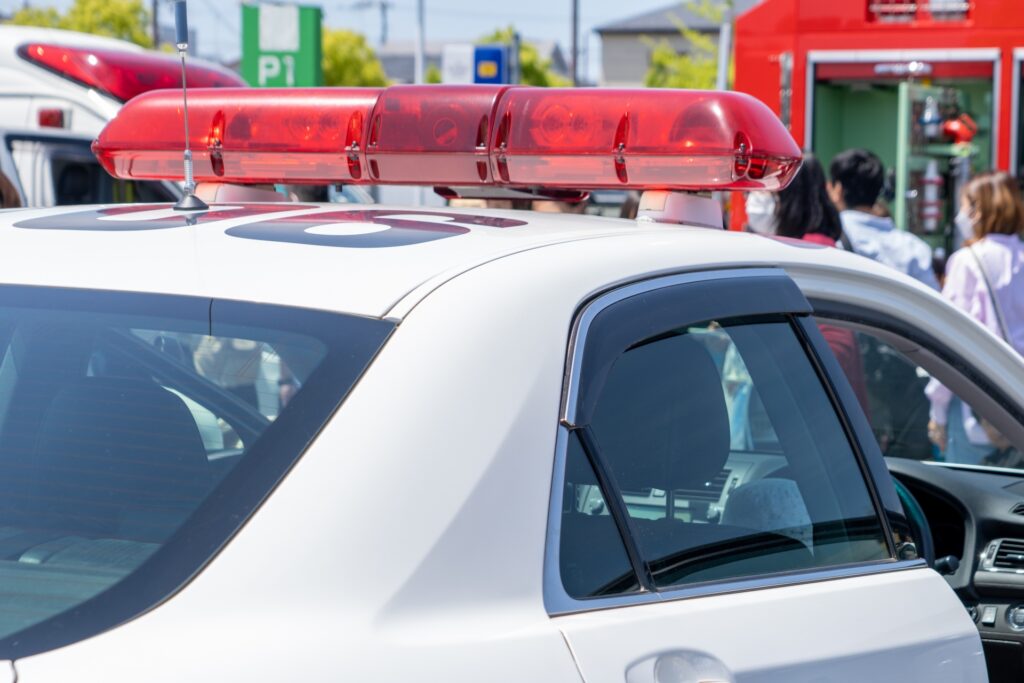 The first thing you should do is contact both the police and the rental car company. They will provide instructions on what steps to take next.
If anyone has been injured, their safety should be your top priority. Provide assistance if possible and call an ambulance or other emergency services immediately.
No matter how minor the damage may seem, you should always report the incident to the police. It’s easy to think, “This is just a small scratch, so there’s no need to call the police,” but failing to file a police report can cause problems later. In Japan, you need an official Traffic Accident Certificate (Kōtsū Jiko Shōmeisho) issued following a police report. Without this certificate, your insurance coverage may not apply.
Once you have contacted the police and completed the necessary procedures, be sure to notify the rental car company as soon as possible. They will guide you through the next steps and explain how the damage and insurance claim will be handled.
The first thing you should do is contact both the police and the rental car company. They will provide instructions on what steps to take next.
If anyone has been injured, their safety should be your top priority. Provide assistance if possible and call an ambulance or other emergency services immediately.
No matter how minor the damage may seem, you should always report the incident to the police. It’s easy to think, “This is just a small scratch, so there’s no need to call the police,” but failing to file a police report can cause problems later. In Japan, you need an official Traffic Accident Certificate (Kōtsū Jiko Shōmeisho) issued following a police report. Without this certificate, your insurance coverage may not apply.
Once you have contacted the police and completed the necessary procedures, be sure to notify the rental car company as soon as possible. They will guide you through the next steps and explain how the damage and insurance claim will be handled.
Purchase Collision Damage Waiver (CDW) Coverage
 If you are involved in an accident, how much can you expect to pay?
If you properly report the incident to the police and obtain a Traffic Accident Certificate, the basic insurance coverage included with your rental agreement will generally apply.
However, even with basic coverage, you may still be responsible for a deductible (excess) of approximately ¥50,000 to ¥100,000, depending on the rental company and the circumstances of the accident.
Since this can be a significant expense, it is worth considering Collision Damage Waiver (CDW) coverage to reduce your financial risk.
CDW is an optional protection plan offered by most rental car companies. By paying an additional fee of around ¥1,000–¥2,000 per day, you can reduce your deductible to ¥0 in the event of an accident, helping you avoid unexpected out-of-pocket costs.
Of course, CDW does not cover situations involving illegal or prohibited behavior, such as driving without a valid license or driving under the influence of alcohol. In addition, some rental car companies may not offer CDW coverage to drivers who have held their license for less than one year or to those driving with an international driving permit.
Below is a comparison table showing the CDW fees charged by various rental car companies.
If you are involved in an accident, how much can you expect to pay?
If you properly report the incident to the police and obtain a Traffic Accident Certificate, the basic insurance coverage included with your rental agreement will generally apply.
However, even with basic coverage, you may still be responsible for a deductible (excess) of approximately ¥50,000 to ¥100,000, depending on the rental company and the circumstances of the accident.
Since this can be a significant expense, it is worth considering Collision Damage Waiver (CDW) coverage to reduce your financial risk.
CDW is an optional protection plan offered by most rental car companies. By paying an additional fee of around ¥1,000–¥2,000 per day, you can reduce your deductible to ¥0 in the event of an accident, helping you avoid unexpected out-of-pocket costs.
Of course, CDW does not cover situations involving illegal or prohibited behavior, such as driving without a valid license or driving under the influence of alcohol. In addition, some rental car companies may not offer CDW coverage to drivers who have held their license for less than one year or to those driving with an international driving permit.
Below is a comparison table showing the CDW fees charged by various rental car companies.
| Times Car Rental | CDW Coverage Plan | 1,100¥ |
| Sky Rent a Car | CDW Program | 1,100¥~2,200¥ |
| ORIX Rent-A-Car | CDW Protection Plan | 1,100¥~2,200¥ |
| Travel Rent a Car | CDW Coverage Program | 1,100¥~1,650¥ |
Get Additional Protection with NOC Coverage
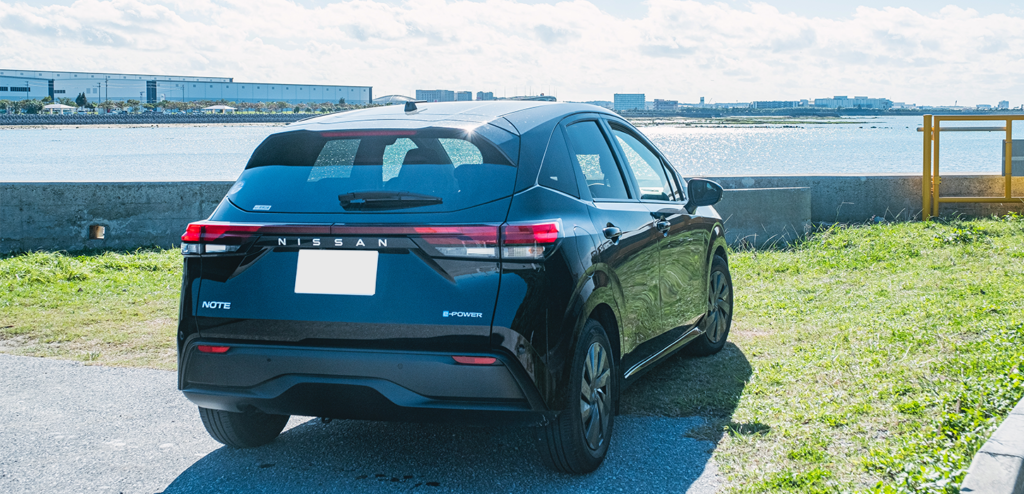 Even if you have purchased Collision Damage Waiver (CDW) coverage, it does not necessarily mean that all costs will be waived in every situation.
One important expense that is typically not covered by insurance or CDW is the Non-Operation Charge (NOC).
NOC is a fee charged by the rental car company to compensate for the loss of income while the damaged vehicle is being repaired and cannot be rented out to other customers.
The amount of the NOC varies depending on the condition of the vehicle after the accident. Below are the typical NOC charges for different situations.
Even if you have purchased Collision Damage Waiver (CDW) coverage, it does not necessarily mean that all costs will be waived in every situation.
One important expense that is typically not covered by insurance or CDW is the Non-Operation Charge (NOC).
NOC is a fee charged by the rental car company to compensate for the loss of income while the damaged vehicle is being repaired and cannot be rented out to other customers.
The amount of the NOC varies depending on the condition of the vehicle after the accident. Below are the typical NOC charges for different situations.
Vehicle can be driven and returned to the rental office→2万円 Vehicle cannot be driven and requires towing/transportation→5万円
NOC charges are not limited to traffic accidents. They may also apply if the vehicle becomes unusable due to other causes, such as spilling a drink on the seats and causing significant stains, or leaving a strong odor in the vehicle from smoking. For greater peace of mind during your trip, we recommend choosing a rental plan that includes NOC Coverage. With this optional protection, the NOC fee can be waived, helping you avoid unexpected expenses if the vehicle is damaged, excessively soiled, or otherwise taken out of service.Conclusion
No matter what happens, the most important thing is to stay calm and handle the situation responsibly.
As we’ve discussed in this article, the worst thing you can do is try to hide the damage. Whether it’s a minor scratch or a more serious incident, reporting it promptly to the police and the rental car company is always the right course of action.
In many cases, the outcome may not be as serious or costly as you initially fear. By being honest, following the proper procedures, and ensuring that the necessary reports are filed, you can avoid additional problems and enjoy greater peace of mind during your trip.
If an accident or damage occurs, remember: report it immediately, follow the rental company’s instructions, and stay calm.
Enjoying a Trip to Okinawa? Choose GO!GO!TOUR Rent-A-Car
 Many travelers find themselves wondering, “Which rental car company should I choose in Okinawa?”
If you’re not sure where to start, GO!GO!TOUR Rent-A-Car is a great option.
With GO!GO!TOUR Rent-A-Car, you can find affordable rental vehicles at competitive rates and take advantage of great-value rental plans. Many plans also include free one-way rentals, making it even more convenient to travel around Okinawa.
For added peace of mind, comprehensive protection options are available to help you stay covered in the event of an unexpected incident during your trip.
If you’re looking for a convenient and reliable way to rent a car in Okinawa, why not start by checking out GO!GO!TOUR Rent-A-Car? 🚗
Many travelers find themselves wondering, “Which rental car company should I choose in Okinawa?”
If you’re not sure where to start, GO!GO!TOUR Rent-A-Car is a great option.
With GO!GO!TOUR Rent-A-Car, you can find affordable rental vehicles at competitive rates and take advantage of great-value rental plans. Many plans also include free one-way rentals, making it even more convenient to travel around Okinawa.
For added peace of mind, comprehensive protection options are available to help you stay covered in the event of an unexpected incident during your trip.
If you’re looking for a convenient and reliable way to rent a car in Okinawa, why not start by checking out GO!GO!TOUR Rent-A-Car? 🚗