Aoshima, Miyazaki — a beach day with more than surf
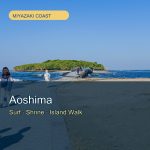
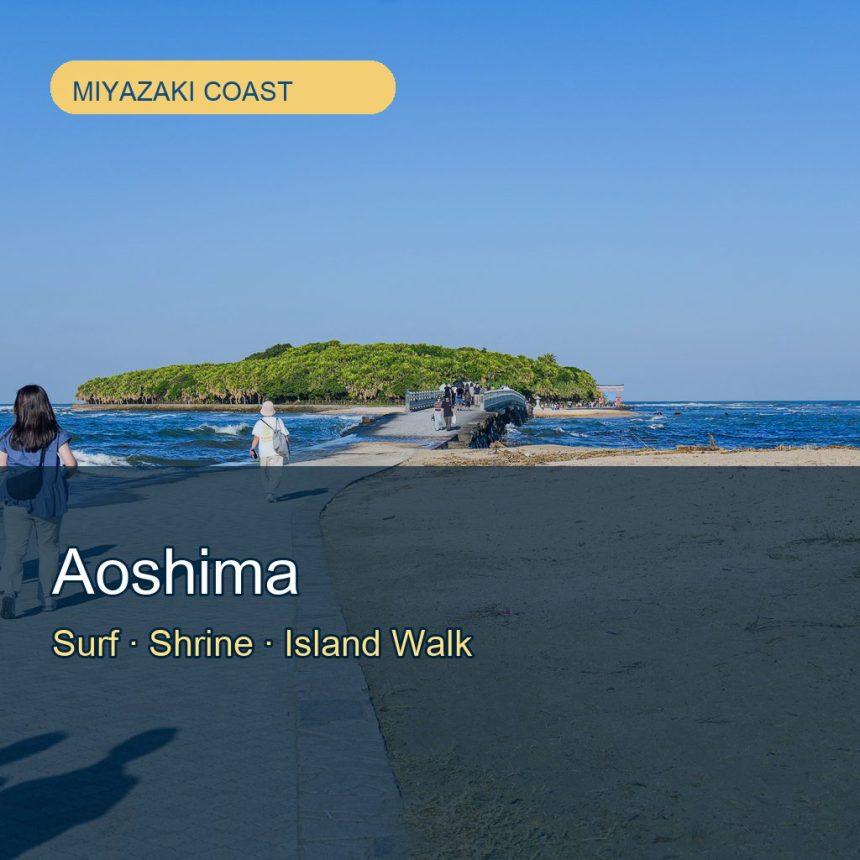
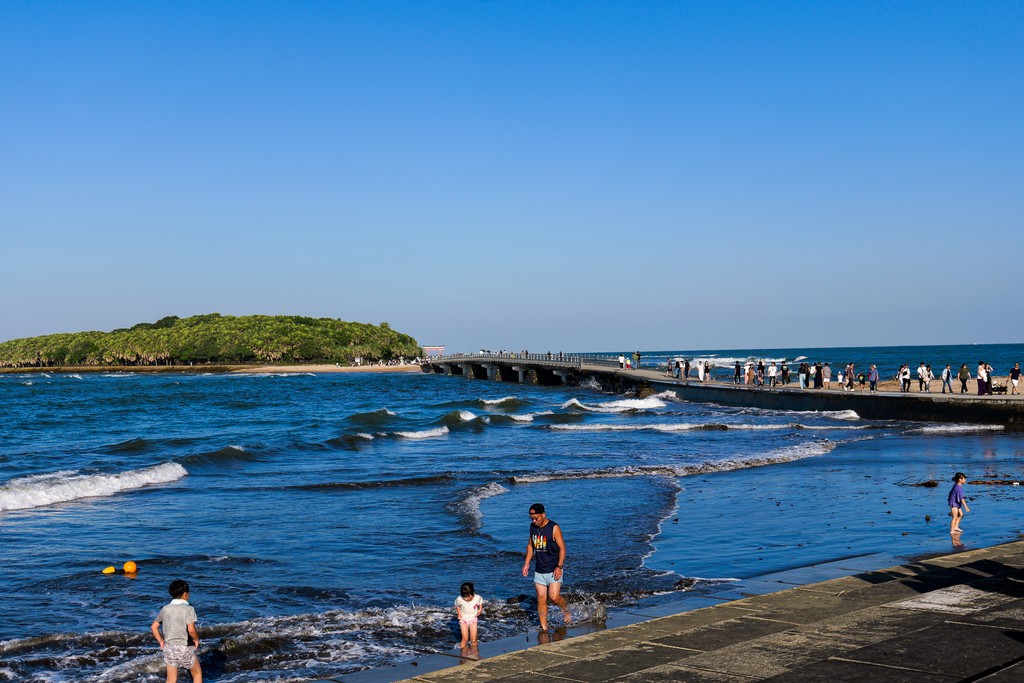
Aoshima is one of the easiest places in Miyazaki to combine ocean time with sightseeing. Surfers share the coast with walkers, while a bridge leads directly to a small island, a vivid red shrine and unusual rock formations.
If you are building a Nichinan Coast itinerary, compare Miyazaki rental cars before adding Aoshima and nearby coastal stops. The drive is around 15 minutes from Miyazaki Airport and around 25 minutes from Miyazaki Station.
Start with the surf scene
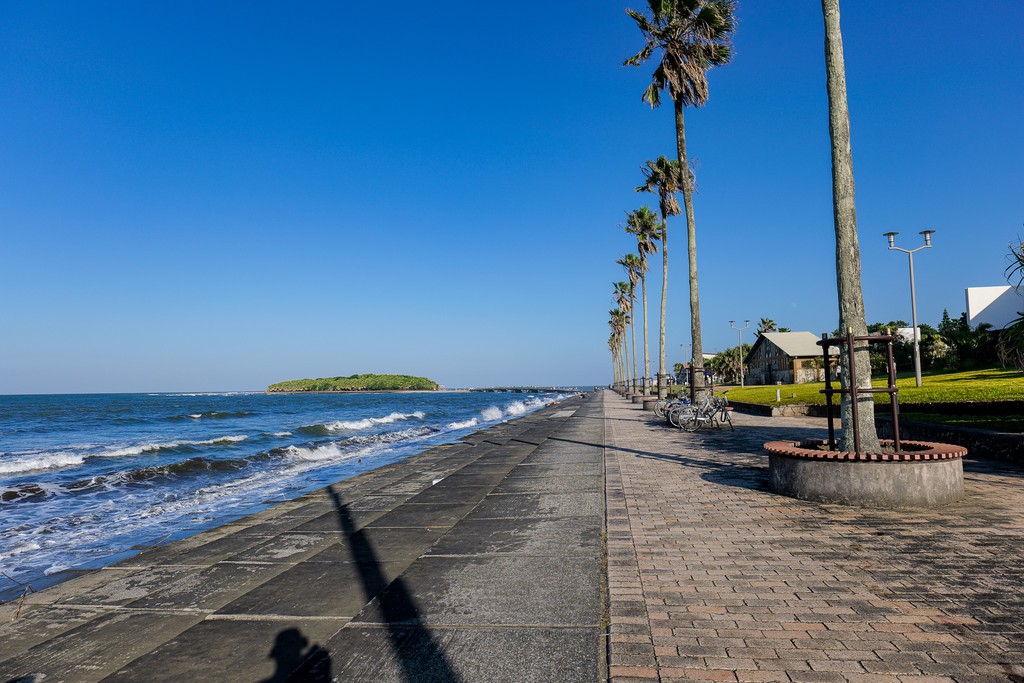
Palm trees and a long waterfront path set the mood before you reach the island. On our visit, the water was busy with surfers from different parts of the world.
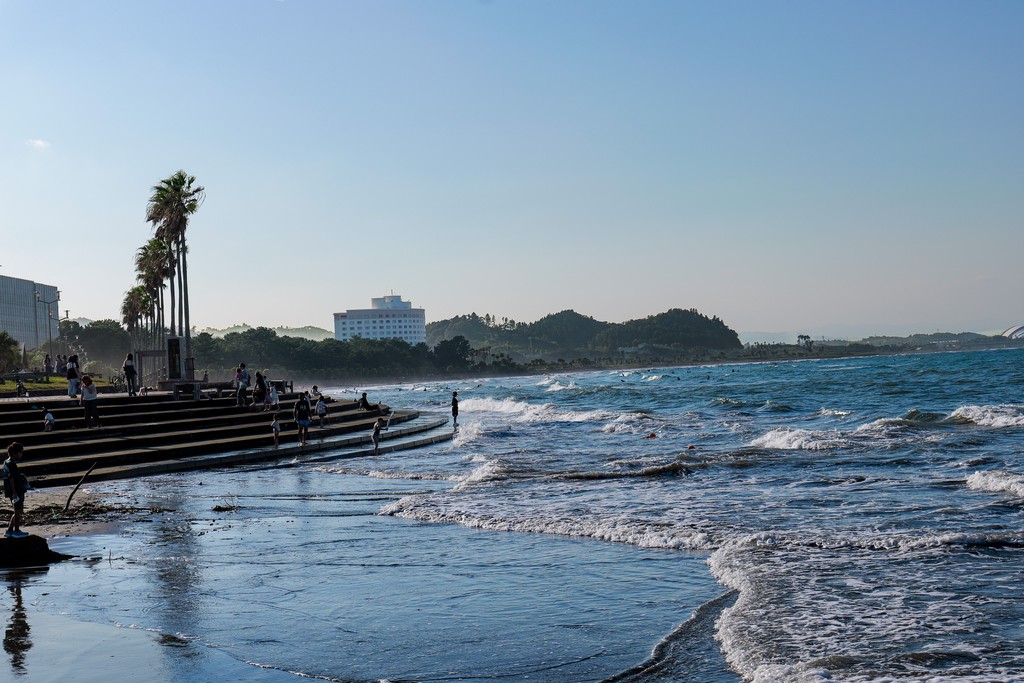
The southern end near Aoshima Swimming Beach generally has smaller waves and is presented as the more beginner-friendly side. Waves grow larger toward Kisakihama to the north. Conditions change daily, so first-time surfers should use a local lesson and follow same-day safety guidance.
Non-surfers still have plenty to do. The seafront promenade, island walk and shrine make this an easy shared stop for groups with different interests.
Parking: free spaces can fill up
There are free public parking options along the coast, but capacity and opening hours are limited. We found some lots full and had to consider nearby paid parking.
| Option | What to know |
|---|---|
| Free public lots | Limited hours and spaces |
| Aoshima Station lot | Official tourism guidance lists 8:00 a.m.–5:00 p.m. |
| Paid lots near the approach | A practical backup on weekends and busy days |
| On the island | No vehicle access; continue on foot |
Check the sign at the entrance because hours differ by lot. From Aoshima Station, the shrine area is about a 10-minute walk.
Cross the bridge to Aoshima Shrine
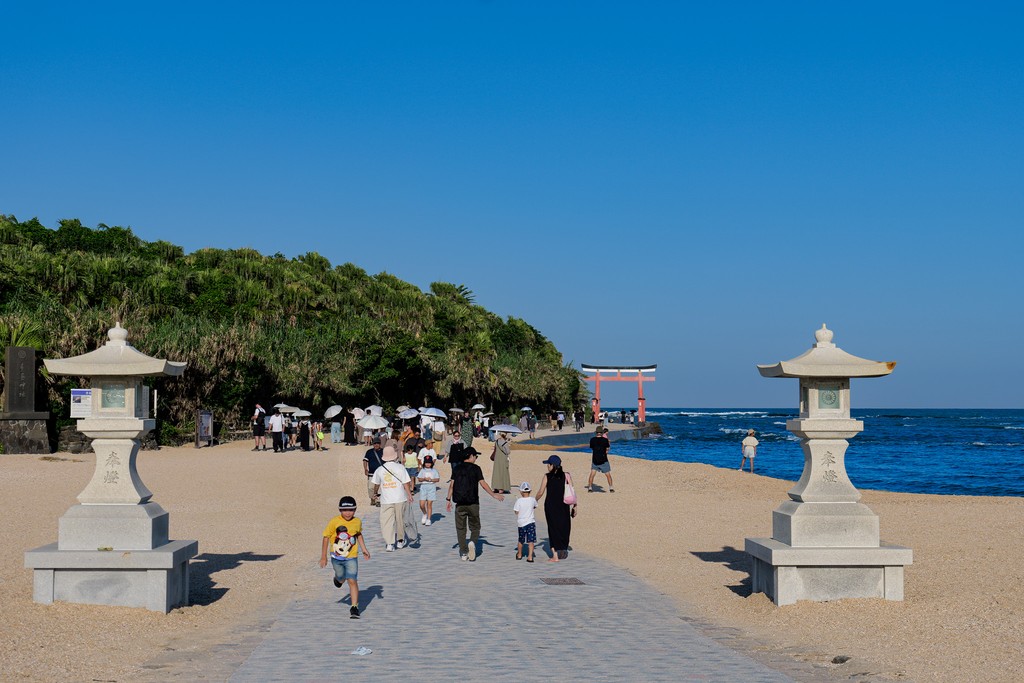
Aoshima is a compact island with a circumference of about 1.5 kilometers. The whole island is considered part of Aoshima Shrine’s sacred grounds, and visitors enter on foot across the bridge.
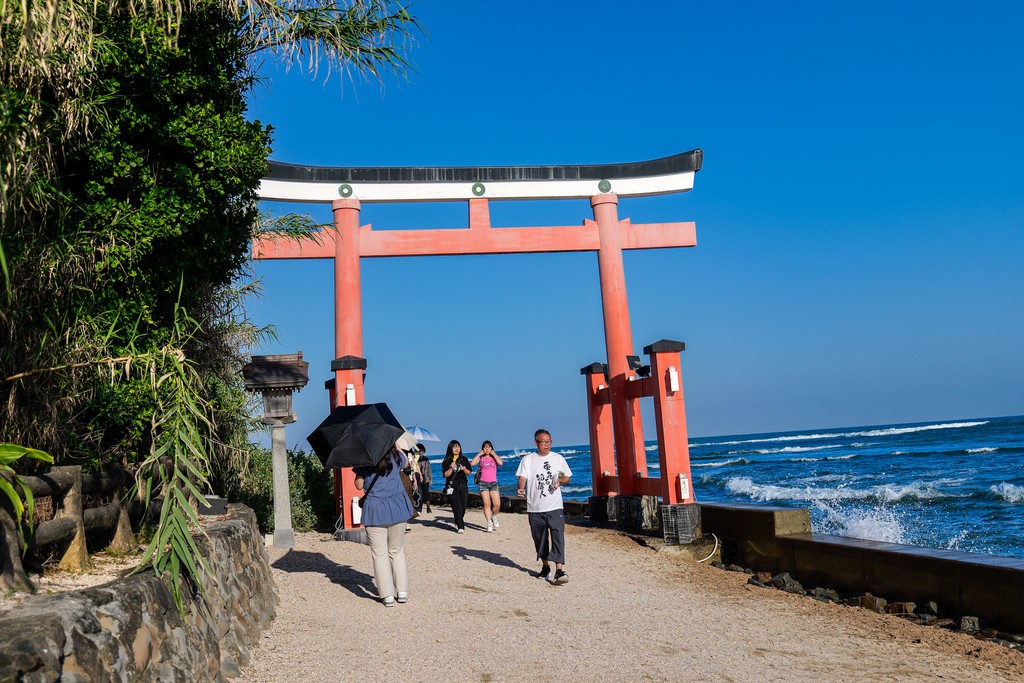
The red torii beside the sea marks a sharp change from beach scenery to shrine grounds. Aoshima Shrine enshrines Hikohohodemi-no-Mikoto, Toyotamahime-no-Mikoto and Shiotsutsu-no-Okami, and is associated with relationships, safe childbirth, sea travel and traffic safety.
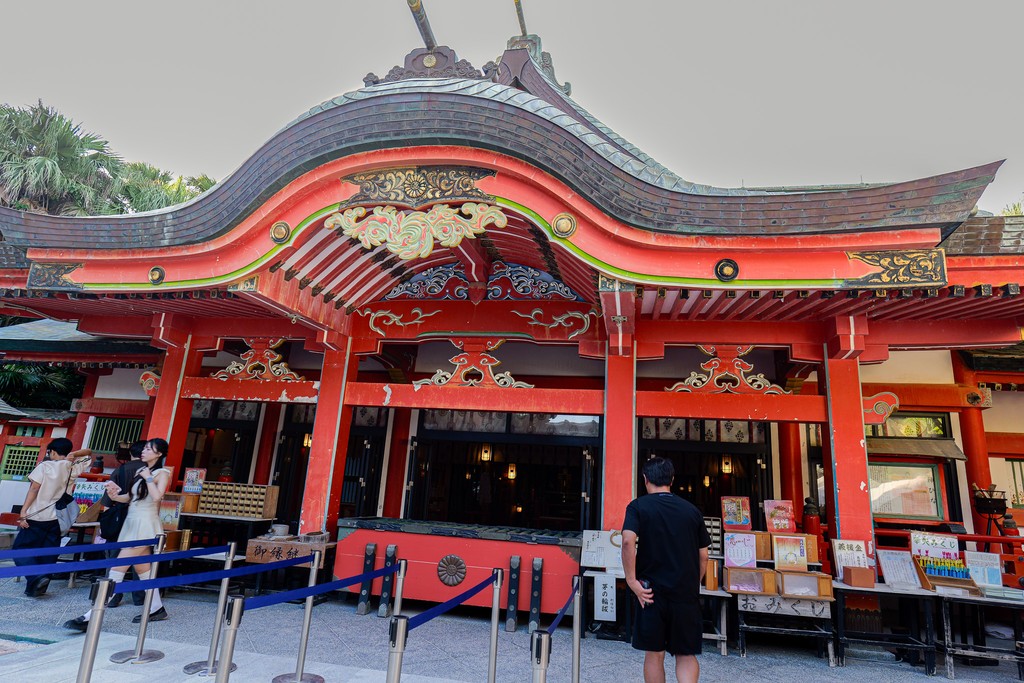
Do not stop at the main hall
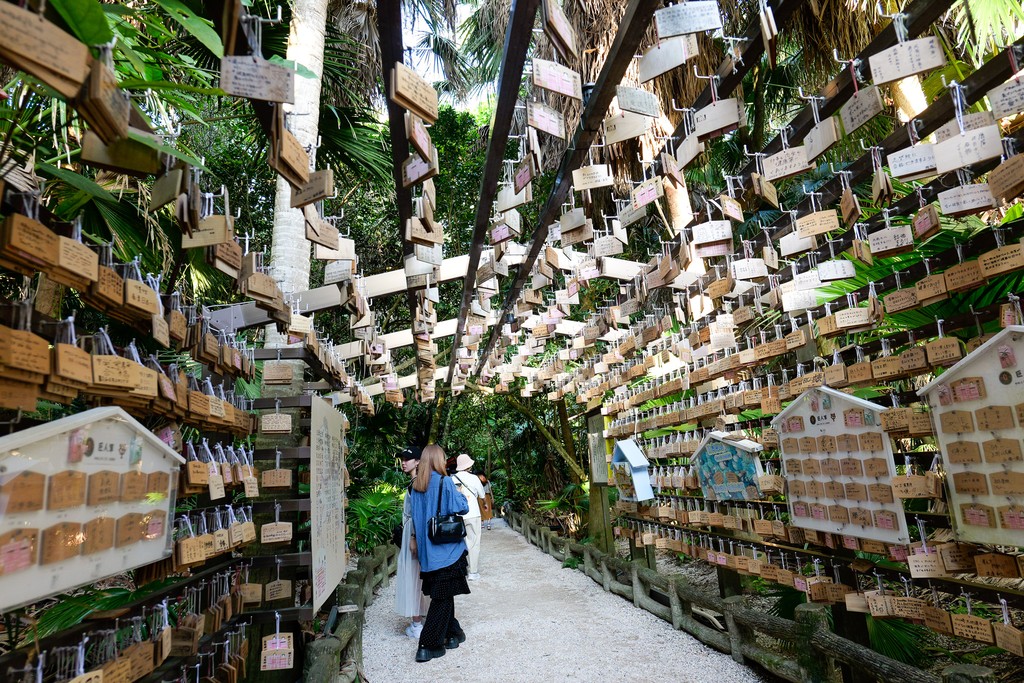
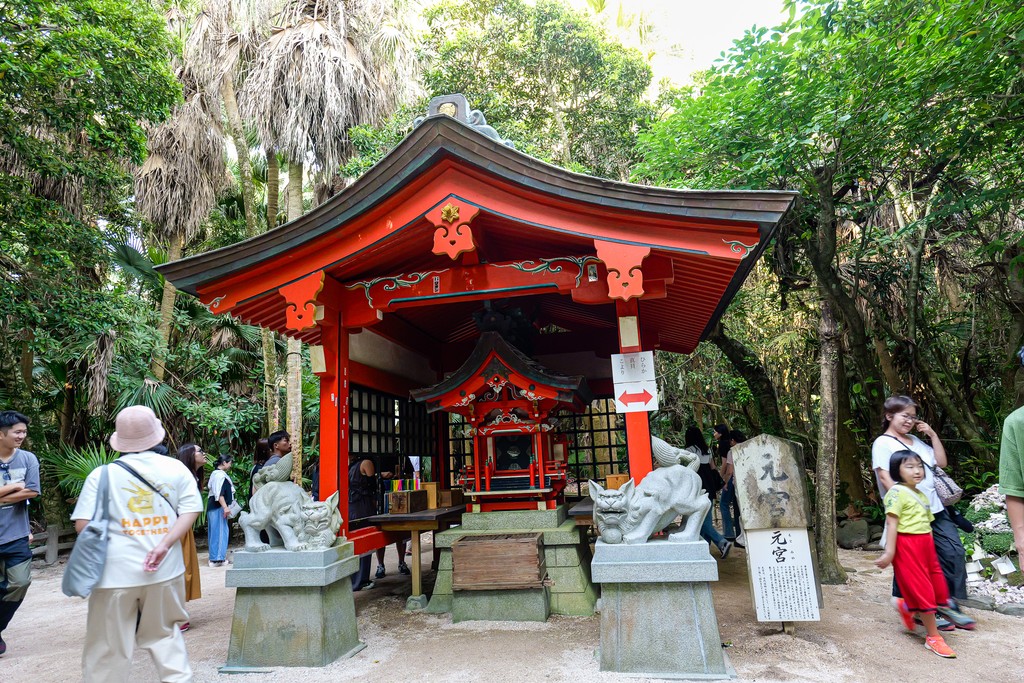
Behind the main hall, a passage lined with ema prayer plaques leads through dense subtropical greenery to Motomiya. This quieter inner section gives the shrine a character that feels specific to Aoshima.
The island supports tropical and subtropical vegetation, including large stands of biro palms. The plant community is designated a Special Natural Monument of Japan.
How did the Devil’s Washboard form?
The parallel ribs around Aoshima look man-made, but they were formed by geology and waves. Sand and mud accumulated in alternating layers on the seabed. Tectonic movement lifted and tilted those layers, then repeated wave action wore away the softer mudstone faster than the harder sandstone.
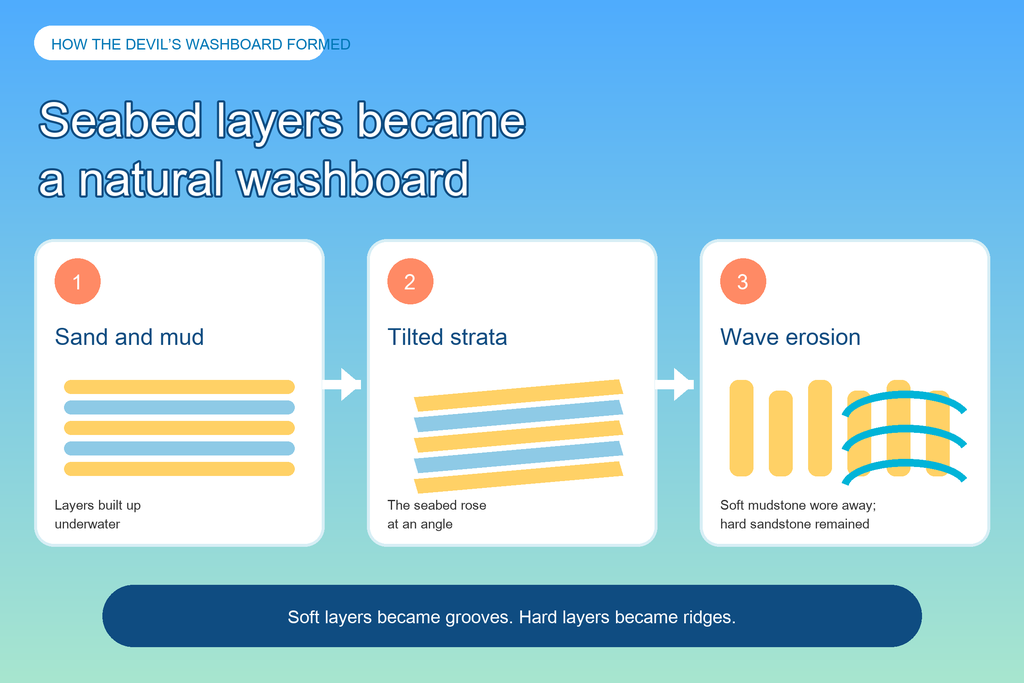
The result is a long pattern of grooves and ridges that resembles a giant washboard. The formation’s official designation refers to Aoshima’s uplifted seabed and wave-cut features, and similar rocks extend for roughly eight kilometers along the coast.
Low tide is the best time to see more of the rock surface. Wet stone and algae can be slippery, so wear shoes with a reliable grip.
A simple island walking route
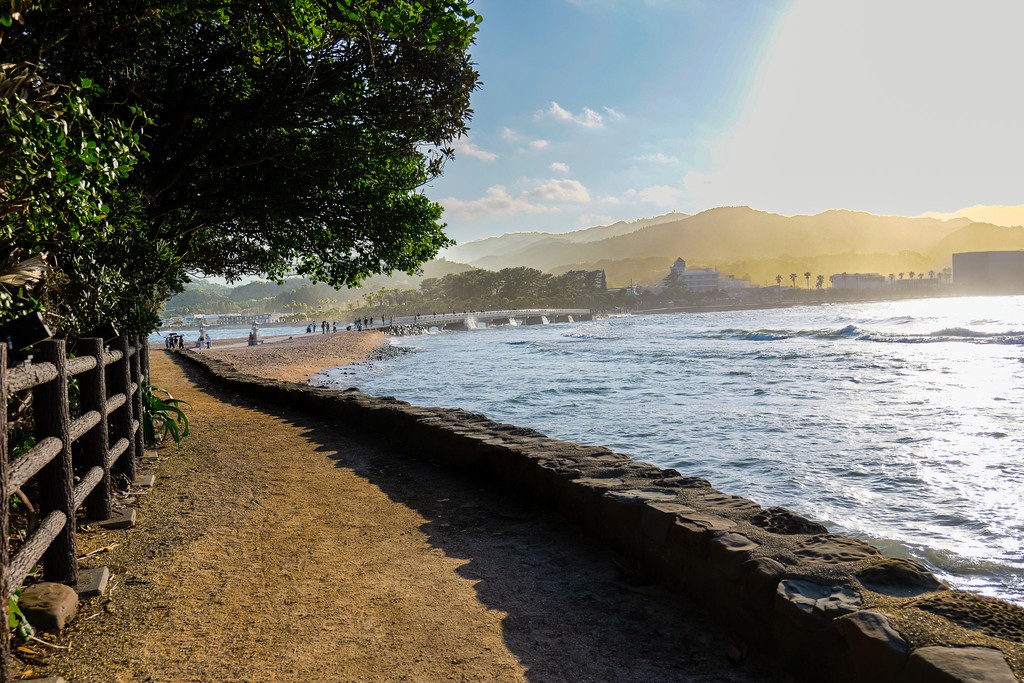
Walk in this order: bridge, torii, main hall, ema passage, Motomiya and the outer coast. This route keeps the shrine and natural scenery connected without unnecessary backtracking.
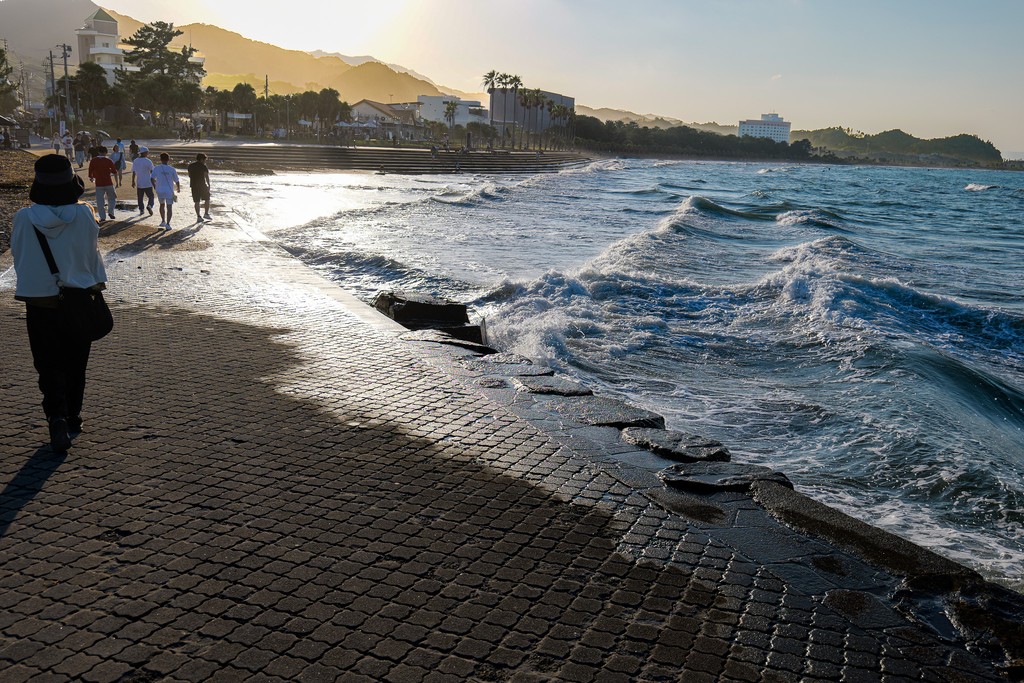
At low tide, step closer to the rock formations where it is safe. At higher tide, stay on the path and watch the waves break across the ridges. Late-afternoon light gives the promenade a warmer tone.
Location and quick facts
| Location | Aoshima, Miyazaki City |
|---|---|
| Train | About 10 minutes on foot from Aoshima Station |
| Car | About 15 minutes from Miyazaki Airport |
| Parking | Free and paid lots outside the island |
| Before you go | Check weather, waves, tide and parking signs |
For shrine notices and seasonal service hours, check the official Aoshima Shrine website.
Quick answers
Can beginners surf at Aoshima?
The southern side usually has smaller waves, but conditions change. Book a lesson and follow local guidance if you are new.
Can I drive onto Aoshima?
No. Park outside the island and cross the bridge on foot.
When is the Devil’s Washboard easiest to see?
More of the formation is exposed around low tide. Use grippy shoes because the rocks can be slippery.
Is the rock volcanic?
It consists of alternating sandstone and mudstone layers shaped by uplift and uneven wave erosion.
Wrap-up — surf, shrine and geology in one walk
Aoshima works well even when everyone in your group wants something different. You can watch surfers, visit the shrine and study a rare coastal formation without moving the car between each activity.