How should I plan a self-guided trip itinerary in Japan?
The easiest way to plan a successful trip in Japan is to start with one region and a 3-day, 2-night itinerary.
Group attractions that are close to the airport and limit your schedule to 2–3 destinations per day to reduce travel fatigue.
If it's your first time visiting Japan, you can simply follow a recommended regional itinerary and adjust it by adding or removing activities based on your preferences.
When is the best time to travel in Japan?
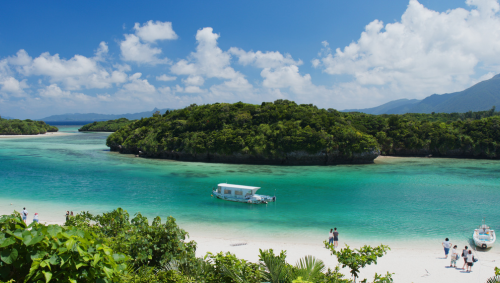
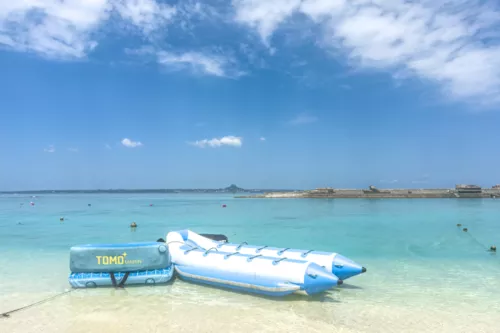
The cherry blossom season typically peaks from late March to early April, while the autumn foliage season is at its best around November. Summer (July to August) is hot and humid, but it's also the season for beaches, fireworks festivals, and outdoor events. Winter is ideal for enjoying the snowy landscapes and hot springs of Hokkaido. In southern regions such as Okinawa, June to October is considered the best time for marine activities.
How can I use GOGO Tour's recommended travel itineraries?
Simply choose a destination and travel style—such as beginner-friendly, activity-focused, or family travel—and you'll be able to view a day-by-day itinerary complete with maps. You can follow the entire itinerary as it is or select only the parts that fit your travel plans.
Each itinerary also provides direct access to rental car and activity reservations,allowing you to complete everything from trip planning to booking in one place."
How much does a trip to Japan usually cost?
It's easiest to estimate your travel budget by dividing expenses into three categories: flights, accommodation, and local expenses (such as food, transportation, and admission fees). Even for the same itinerary, costs can vary significantly depending on the travel season and the type of accommodation you choose.
Booking rental cars and activities in advance can often help reduce expenses. A practical approach is to secure your flights and accommodation first, then estimate your daily local expenses to create a realistic budget.
Can I travel in Japan without renting a car?
Yes. Major cities such as Tokyo, Osaka, and Fukuoka have excellent public transportation systems, making it easy to travel without a rental car. Trains and buses provide convenient access to most tourist attractions.
However, in regions such as Okinawa and Hokkaido, where attractions are spread out over larger areas, renting a car can make travel much more convenient and save a significant amount of time. Some recommended itineraries are designed specifically for travelers using public transportation, so you can check whether a rental car is required in each itinerary summary before choosing a course.
It's my first time planning a trip to Japan. What should I prepare first?
Start by checking your passport's validity, then book your flights and accommodation. It's also a good idea to arrange mobile data (such as an eSIM) and transportation before your trip. Using recommended travel itineraries can save a lot of planning time and help you make the most of your schedule.
If you plan to rent a car or join activities, booking in advance is recommended, especially during peak travel seasons. For payments, carrying a small amount of cash while using credit cards for most purchases is generally the most convenient option.
How should I exchange money and pay for purchases when traveling in Japan?
It is recommended to carry both cash and a credit card. In major cities, most shops, restaurants, and tourist facilities accept credit cards and mobile payments. However, in smaller towns, local stores, and some restaurants, cash may still be the preferred or only payment method.
Exchanging some Japanese yen in advance when exchange rates are favorable can be a good idea. For added security, it is recommended to keep a credit card for everyday payments and a separate amount of cash for emergencies.
How can I access the internet in Japan? eSIM vs. Pocket Wi-Fi
For most solo travelers or short trips, an eSIM is usually the most convenient option. It can be activated instantly by scanning a QR code, without the need to replace your physical SIM card. For families or groups traveling together, a Pocket Wi-Fi device may be more cost-effective, as multiple people can share a single connection.
If you purchase and set up a Japan eSIM before departure, you can start using mobile data immediately upon arrival without waiting in line at the airport.