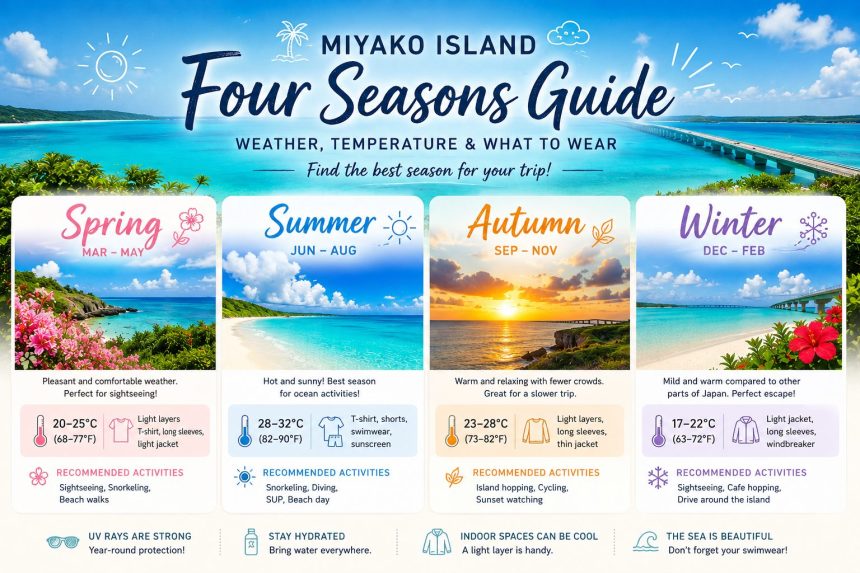
- Miyako Island Weather — A Subtropical Island You Can Enjoy All Year Round
- When Is the Best Time to Visit? Pick the Season That Fits You
- Miyako Island Climate at a Glance
- A Subtropical Island That Never Really Gets Cold
- Spring (March-May): The Most Comfortable Season for Sightseeing
- Summer (June-August): Peak Season for the Ocean
- Autumn (September-November): Warm Water, Fewer Crowds
- Winter (December-February): A Mild Tropical Escape
- Rainy Season & Typhoons: Planning Around the Weather
- Sun Protection Is Non-Negotiable
- Season-by-Season Packing List
- Renting a Car: The Smartest Way to See Miyako
- Frequently Asked Questions (FAQ)
- Final Thoughts
Miyako Island Weather — A Subtropical Island You Can Enjoy All Year Round
The short version: Miyako Island stays warm year-round, and the ocean is gorgeous in every season. Spring (Mar-May) is the most comfortable for sightseeing, summer (Jun-Aug) is peak beach-and-snorkel season, autumn (Sep-Nov) is warm but blissfully uncrowded, and winter (Dec-Feb) is a mild tropical escape. There’s really no “bad” time to come — just pack for the season and never skip the sunscreen, because the UV is strong all year.
Welcome — this is GO!GO!TOUR, your local partner for travel around Okinawa and its outer islands. Just a 50-minute flight from Okinawa’s main island sits Miyako Island (Miyakojima), often called “Japan’s Maldives.” Its famous “Miyako Blue” water is considered some of the clearest and most beautiful in all of Japan, and the island has a slow, sun-soaked rhythm that makes it the perfect escape.
The question every traveler asks is simple: when is the best time to go? The honest answer is that each season has its own appeal. In this guide we’ll walk through Miyako’s weather season by season — temperatures, sea conditions, what to wear, what to do — plus the rainy season, typhoons, and a few FAQs, so you can pick the trip that fits you best.
To explore Miyako’s stunning coastal roads at your own pace, the smart move is to lock in your wheels before you do anything else — buses are infrequent and routes are limited, so a car is close to essential. Booking in English with clear, upfront pricing is easy through GO!GO!TOUR Miyako car rental & activities, so secure it early and travel with peace of mind.
When Is the Best Time to Visit? Pick the Season That Fits You
Rather than crown a single “best” month, it helps to match the season to the kind of trip you want:
- You’re here for the ocean (snorkeling & diving) → early-to-mid July. The rainy season is over, the sea is at its warmest and clearest, and typhoons are still less frequent than in August-September.
- You want warm water but fewer crowds → October-November. Pleasantly cool air, swimmable sea, lower prices, and some of the year’s most beautiful sunsets.
- You’d rather sightsee than swim → March-April. Comfortable temperatures, lush greenery, and the rainy season hasn’t started yet.
- You’re chasing a cheap, laid-back getaway → December-February. Low season means cheaper flights and hotels, and the island is still mild enough to enjoy.
If we had to single out two windows, early July (best ocean conditions) and October-November (best overall value) are the crowd favorites. Everything else just comes down to packing right.
Miyako Island Climate at a Glance
Here’s the whole year in one table — handy when you’re packing or deciding when to fly out.
| Season | Avg Temp | Sea Temp | Vibe & Crowds | Best For |
|---|---|---|---|---|
| Spring (Mar-May) | 20-25°C (68-77°F) | ~22-25°C | Comfortable, quiet | Sightseeing, beach walks |
| Summer (Jun-Aug) | 28-32°C (82-90°F) | ~28-29°C | Hot, busy & lively | Snorkeling, diving, SUP |
| Autumn (Sep-Nov) | 23-28°C (73-82°F) | ~25-28°C | Warm, relaxed, fewer crowds | Island hopping, sunsets |
| Winter (Dec-Feb) | 17-22°C (63-72°F) | ~21-23°C | Mild, low season | Sightseeing, cafe hopping, drives |
Keep this table in mind and you’re already most of the way to a well-planned trip. Now let’s get into the details.
A Subtropical Island That Never Really Gets Cold
Sitting at roughly 24° north, Miyako has a subtropical oceanic climate with an annual average of about 23-24°C (73-75°F). Even in the depths of winter it rarely feels truly cold, and warmed by the Kuroshio (Black Current), the sea stays around 21°C even in February — which is exactly why you can get in the water here any time of year.
One thing that sets Miyako apart from Okinawa’s main island: there are no rivers. With no silt washing into the sea, the water stays incredibly clear — that’s the secret behind the legendary “Miyako Blue.” The island is also flat and low, so weather moves through quickly; a 10-20 minute afternoon shower will often clear into blue sky just as fast.
The one thing to mentally prepare for is the wind. Out here on an exposed island, the sea breeze blows all year. In winter the northerly wind can make it feel a few degrees cooler than the thermometer says, while in summer that same breeze keeps the shade comfortable even when it’s 30°C-plus.
Spring (March-May): The Most Comfortable Season for Sightseeing
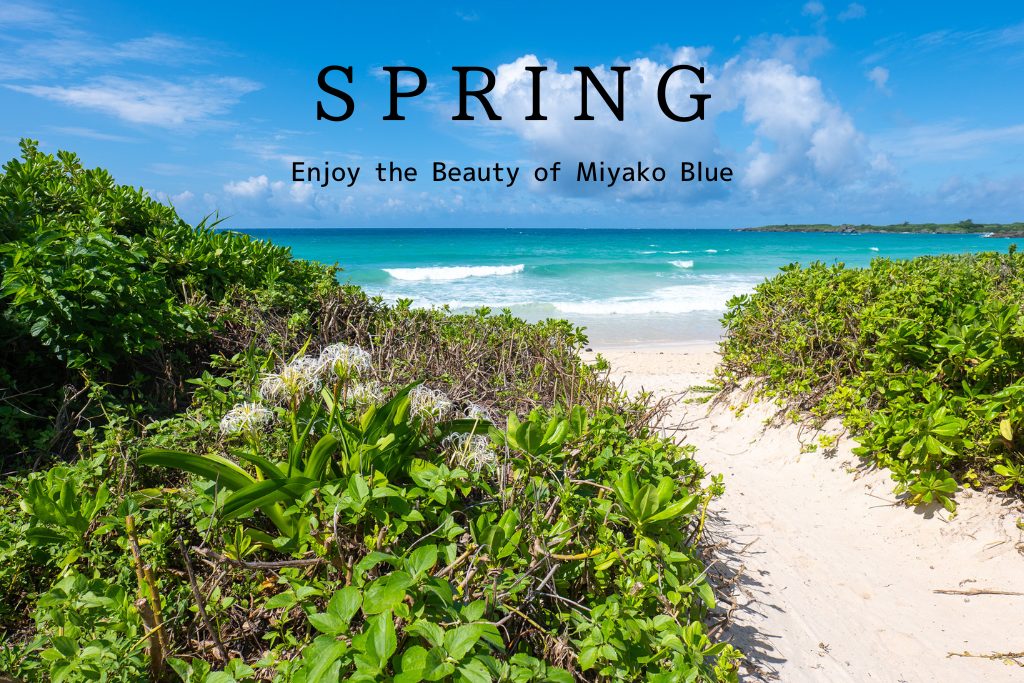
If it’s your first time on Miyako and you’d rather not battle the heat or harsh sun, spring is the easiest season to love. With average temperatures of 20-25°C (68-77°F) and humidity still low, mornings and evenings feel fresh while the days stay pleasantly warm — the most comfortable stretch of the whole year.
The island is green and blooming, and the coastal paths are perfect for travelers who want to stroll and shoot photos without necessarily getting in the water. The sea is around 22-25°C, still on the cool side, so if you do want to snorkel, a wetsuit will make it far more enjoyable.
Spring tips
- Days are warm in a T-shirt; bring a light jacket or long sleeves for the cooler mornings and evenings
- March and April are dry and reliable — keep an eye out for the rainy season starting in mid-to-late May
- Prime time for sightseeing, beach walks and island drives, and crowds are still thin
Summer (June-August): Peak Season for the Ocean
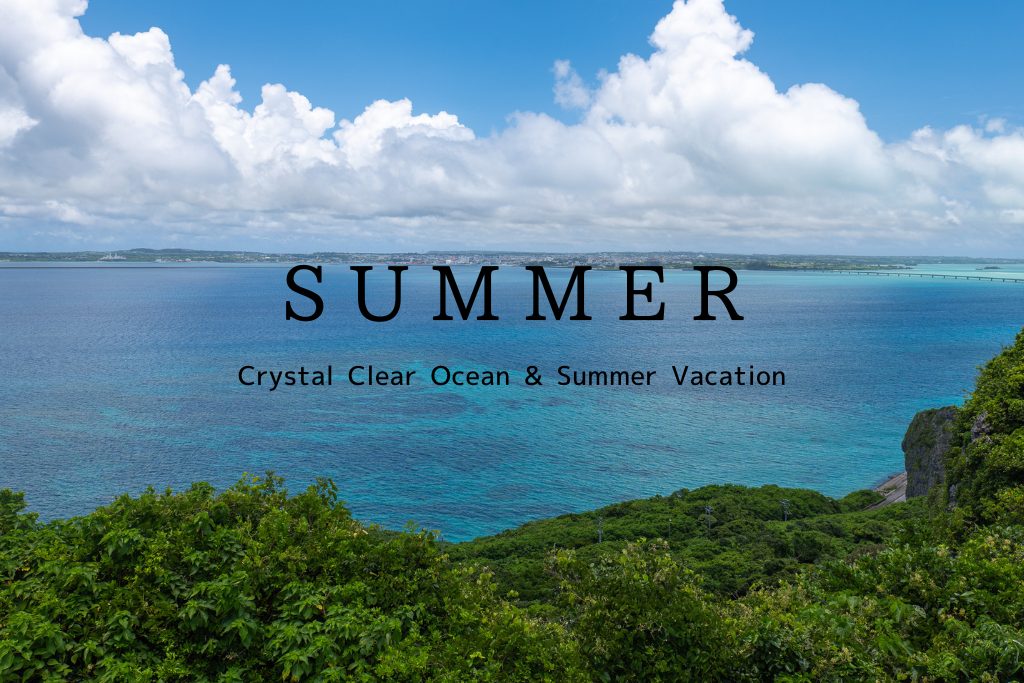
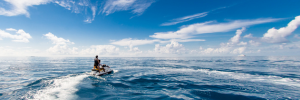
If your goal is to soak up that “Miyako Blue” at full saturation, summer is prime time. With temperatures of 28-32°C (82-90°F) and sea temperatures reaching 28-29°C, the water is so warm there’s zero shiver factor — everyone from little kids to grandparents can happily splash around all day.
Once the rainy season wraps up around late June, Miyako settles into clear, stable midsummer weather, with underwater visibility often topping 20-30 meters. It’s the best window of the year for snorkeling, diving and SUP, and if you’re lucky you might share the reef with sea turtles and schools of tropical fish.
The catch is the sun — it is genuinely intense, and UV levels spike to their highest. Rather than a bikini or regular swimsuit, a long-sleeve rash guard plus water leggings is the smart call: sun protection and a little jellyfish defense in one.
Summer tips
- Think T-shirts, shorts, swimwear and a rash guard, plus a compact umbrella for sudden showers
- Use SPF 50+ sunscreen and reapply every two hours
- Hydrate constantly and avoid long midday sun to steer clear of heat exhaustion
- Late July-August is Japan’s summer holiday — the busiest and priciest stretch, so book 3-4 months ahead
Autumn (September-November): Warm Water, Fewer Crowds
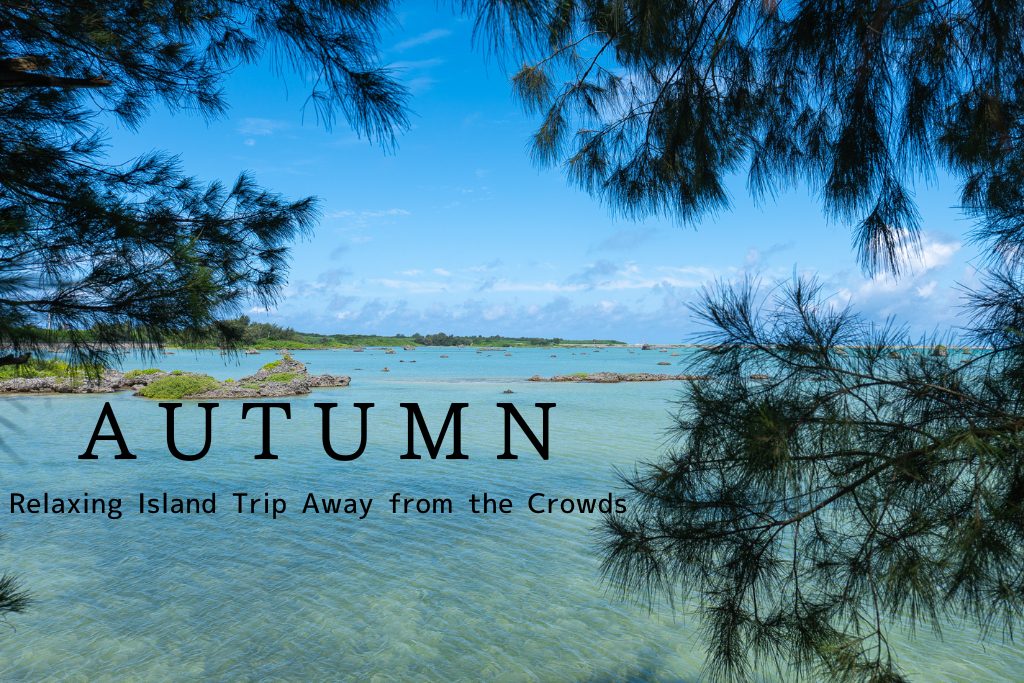
Plenty of repeat visitors quietly rank autumn as their favorite. Averaging 23-28°C (73-82°F), the heat eases off and humidity drops, while the sea holds onto a swimmable 25-28°C. You can still get in the water, it’s not as brutally sunny as midsummer, and the crowds have thinned out — fantastic value.
September still sees its share of typhoons, so keep an eye on the forecast, but by October-November the weather turns stable and settled. It’s the golden window for island drives, lingering sunsets and a slower pace. Autumn light is especially soft, making the coastal boardwalks and the long bridges between islands some of the best sunset spots around.
Autumn tips
- Long sleeves and a T-shirt work well; add a thin jacket when the sea breeze picks up
- Watch typhoon updates in September; October-November is much calmer
- You’ll dodge the summer crowds, and flights and hotels are gentler on the wallet
Winter (December-February): A Mild Tropical Escape
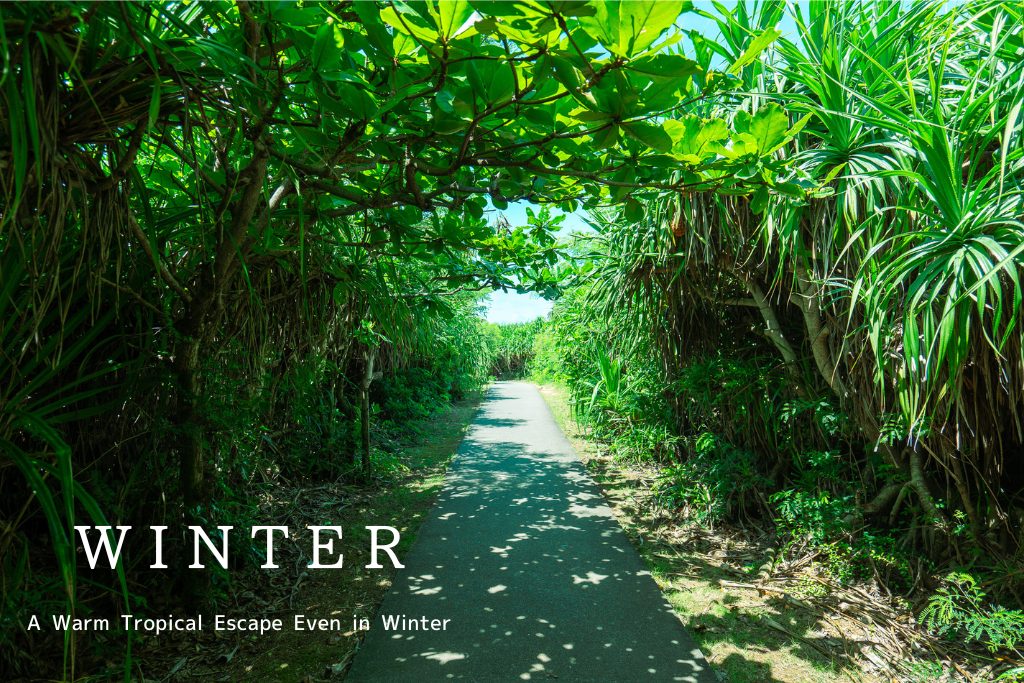
Plenty of people assume winter is a write-off for Miyako — it’s actually the opposite. At 17-22°C (63-72°F), it’s noticeably warmer than most of mainland Japan, and on a sunny day a light jacket is all you need to sightsee and take photos in comfort.
The Miyako Blue is just as vivid in winter, and the drive across the island’s long bridges is beautiful in any season. That said, this is when the northerly wind is strongest and mornings and evenings feel coolest, so it can read a touch chillier than the numbers suggest. The sea hovers around 21-23°C — locals still swim, but for most visitors it’s on the cool side, so bring a wetsuit if you plan to get in. Winter really shines for sightseeing, photography and cafe hopping.
Winter tips
- Long sleeves with a light-to-warm jacket; add a windbreaker to cut the sea breeze
- Sunny and cloudy days feel very different — dress in layers you can add and shed
- Low season means quiet beaches and cheap flights and hotels — ideal for a relaxed, photo-focused trip
Rainy Season & Typhoons: Planning Around the Weather
Two weather keywords are worth understanding before you book: the rainy season and typhoons.
Rainy season (tsuyu): Okinawa and Miyako’s rainy season typically runs from mid-May to late June. It doesn’t rain all day every day — expect a mix of sun and showers — but humidity is high and ocean conditions are less reliable. If swimming is your main goal, it’s best to avoid late May through mid-June.
Typhoons: Miyako’s typhoon activity peaks in August and September, with some risk in July and October too. When a typhoon hits directly, flights and ferries are often grounded for a day or two. A direct hit during your dates is far from guaranteed, but because this is a remote island, it pays to check the forecast daily from about a week before departure.
To keep the “what if” risk low, a little prep goes a long way:
- Choose flexible flights and hotels — refundable fares and low cancellation-fee bookings
- Get travel insurance with the right coverage — check that flight delays and itinerary changes are included
- GO!GO!TOUR car rental — if your flight is cancelled by the airline and you can’t make the trip, contact us and we’ll help cancel your rental booking. You’ll need the airline-issued “cancellation certificate” (available at the airport counter, the airline app, or customer service). Note that changing or cancelling for personal reasons follows the standard policy and may incur a cancellation fee.
Sun Protection Is Non-Negotiable
The thing you really need to manage on Miyako year-round isn’t the cold or the heat — it’s the UV. Thanks to the low latitude and strong reflection off the sea, UV levels stay high all year and hit their maximum in midsummer. Even if you skip sunscreen at home, make it a daily habit here.
Pack SPF 50+ sunscreen and reapply every two hours — and immediately after swimming. Add sunglasses and a wide-brim hat, and you can enjoy that tropical sun without paying for it with a burn the next day.
Season-by-Season Packing List
Here’s the packing cheat sheet — copy it straight into your suitcase:
- Spring (Mar-May): T-shirts and light long sleeves, plus a light jacket for cool mornings; a wetsuit if you’ll swim
- Summer (Jun-Aug): T-shirts, shorts, swimwear and a long-sleeve rash guard; a compact umbrella for showers
- Autumn (Sep-Nov): Long sleeves and tees, with a thin jacket for the breeze; bring swimwear, the sea is still warm
- Winter (Dec-Feb): Long sleeves plus a light-to-warm jacket and a windbreaker; layers are your friend
And two things to bring no matter the season: sun protection (the UV is strong year-round) and a light extra layer — indoor air conditioning and rental cars are often cranked up high, and a thin jacket keeps you from catching a chill.
Renting a Car: The Smartest Way to See Miyako
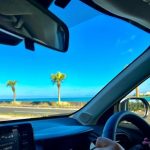
Miyako’s biggest draw is its lineup of spectacular bridge drives — the Irabu Ohashi and Kurima bridges chief among them. But island buses are infrequent with limited routes, so when you’ve come all this way, a car is by far the most comfortable way to explore.
- ✅ Book in English in just a few clicks
- ✅ Pick up and drop off at Miyako Airport
- ✅ Transparent pricing, no hidden fees — insurance options explained in English
- ✅ English-language support for changes and questions, from a local team in Japan
👉 Book Miyako car rental & activities in English
Related reading:
Frequently Asked Questions (FAQ)
Q1. What’s the single best month to visit Miyako Island?
For most travelers, early July wins for ocean conditions — the rainy season is over, the sea is warmest and clearest, and typhoons are less frequent than in August-September. For the best balance of weather, crowds and price, October-November is hard to beat.
Q2. Is the sea warm enough to swim year-round?
Technically the water never gets truly cold, but the most comfortable swimming runs June through October (sea around 28-29°C). In winter it’s roughly 21-23°C and, combined with the wind, feels chilly to most visitors — bring a wetsuit if you want to get in.
Q3. Will a typhoon ruin my trip?
Typhoons peak in August-September and can ground flights and ferries for a day or two when they hit directly. Book refundable flights and flexible hotels, get insurance that covers delays, and check forecasts in the week before you fly. With a flight cancellation certificate, we can cancel your car rental.
Q4. Do I need a jacket, even in summer?
Yes — a thin one. Outdoors you’ll rarely need it, but rental cars, restaurants and shops crank the air conditioning, so a light layer keeps you comfortable indoors. In spring, autumn and winter you’ll also want it for cool mornings and the sea breeze.
Q5. Is sunscreen really necessary in winter?
Absolutely. Miyako’s low latitude and reflective sea keep UV strong all year. Use SPF 50+, reapply every two hours, and pair it with sunglasses and a hat in every season.
Final Thoughts
Miyako Island is a warm, year-round tropical escape with a beautiful sea in every season. Spring is great for sightseeing, summer is unbeatable for the ocean, autumn is warm and uncrowded, and winter is mild and easy on the budget. There’s no season you “can’t” visit — just pack for the weather and stay on top of your sun protection.
One more pass over the essentials:
- Spring 20-25°C|Summer 28-32°C|Autumn 23-28°C|Winter 17-22°C
- Warm sea year-round; June-October is the most comfortable for swimming (wetsuit in winter)
- UV is strong all year — SPF 50+, reapply every two hours
- Indoor and in-car AC runs cold — carry a light layer
- Rainy season mid-May to late June; typhoons peak in August-September
- Best timing: early July for the ocean, October-November for value
📌 Your Miyako Island Trip, Backed by GO!GO!TOUR
- 🏖️ Book Miyako marine activities
- 🚗 Book Miyako car rental & activities
- 🍴 Okinawa food & sightseeing info