Okinawa Rainy Season 2026: Tsuyu Started 6 Days Early — Your Complete Rainy-Day Guide
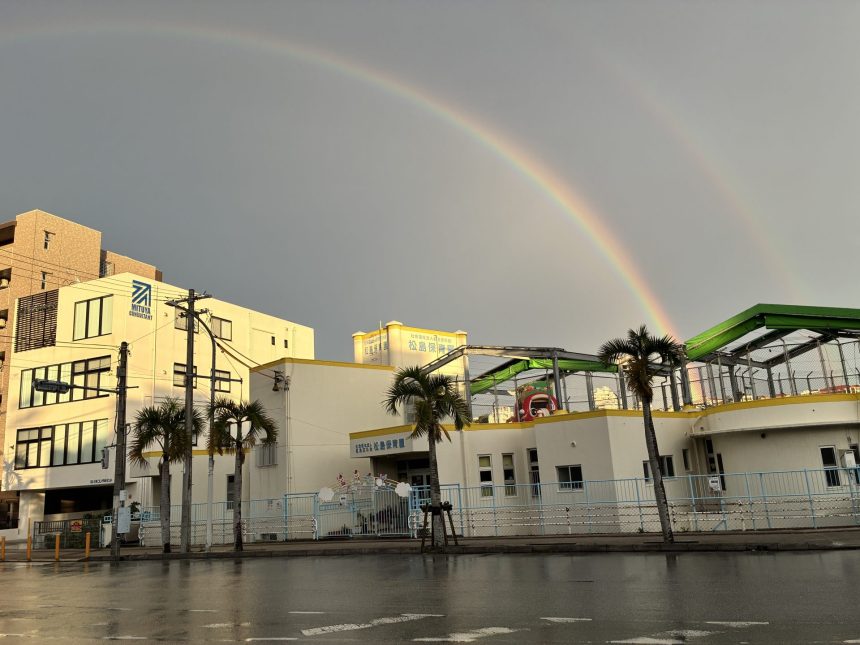
HAISAI! Greetings from Okinawa — this is GO!GO!TOUR, your trusted partner for independent travel in Japan. Big news for travelers heading here in May or June: Okinawa officially entered tsuyu (the rainy season) on May 4, 2026 — six days earlier than the climatological average. If you’ve already booked your trip, this guide is for you.
We’ll cover the official dates, the one thing every Okinawa traveler needs to know (local weather forecasts are notoriously unreliable here), why renting a car is essentially a must, and full 3-day-2-night and 4-day-3-night rainy-day itineraries with packing tips and what to watch out for.
👉 Need a rental car right now? Book Okinawa rental cars with GO!GO!TOUR
When Is Okinawa’s Rainy Season? Official Dates
Based on data from the Japan Meteorological Agency (JMA) and the Okinawa Meteorological Office:
- 2026 rainy season start: May 4 (6 days earlier than average)
- Average start: around May 10
- Average end: around June 21
- Average duration: about 43 days
Okinawa is the first region in mainland Japan to enter the rainy season each year. Based on this year’s early start, expect tsuyu to wrap up around June 20, give or take. Some years it ends in late May, other years it drags into early July.
Once it ends, Okinawa shifts into proper summer — strong sun and typhoon season from July through September. May and June are the in-between months: rain on and off, some cloud, occasional sunshine.
The One Thing You Need to Know — Okinawa Forecasts Are Not Reliable
This part really matters. Travelers heading to Okinawa often check the weather the night before, see “70% rain” and start panicking about their entire itinerary. Here’s the truth: Okinawa weather forecasts miss all the time.
The reason is simple — Okinawa is a small island in the middle of the Pacific. Cloud systems move fast. Rain that’s pouring an hour ago can be replaced by sunshine within sixty minutes. This happens every single day. So when JMA shows “60% chance of rain,” it really means “somewhere on the island, at some point in the day, it might rain.”
- “80% rain in the morning” → often just a 1–2 hour shower
- “Rain all day” → often clears up by afternoon
- “Sunny” forecast → can still get hit by a 30-minute squall
The takeaway: don’t cancel your day because of a forecast. Plan a mix of indoor and outdoor options so you can pivot. The single tool that makes that pivot possible is a rental car.
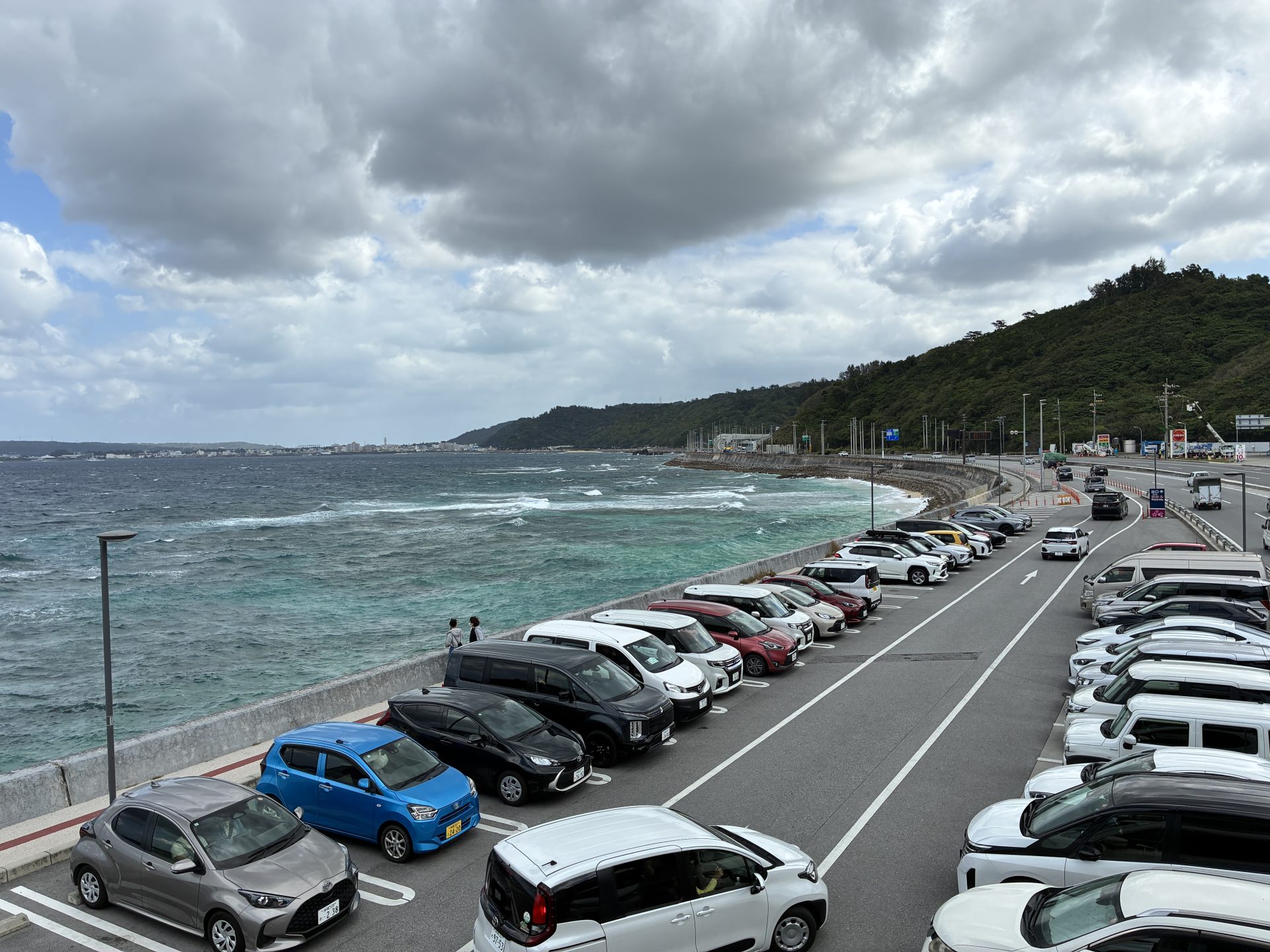
In the Rain, a Rental Car Is Basically Essential
Three reasons why you’ll want a car during rainy season:
🔸 1. Quick pivot between spots
The Yui Rail monorail only covers part of central Naha. Everywhere else means buses or taxis. Wait for a bus and you’re getting wet; flag a taxi and you might wait forever. With a car, when rain hits you jump in, and the moment it clears you’re heading to the next stop.
🔸 2. Luggage stays dry
Rainy season means umbrellas, ponchos, change of clothes, towels — extra stuff. Carrying it all on a bus is exhausting. Throw it in the trunk and forget it.
🔸 3. Game-changer for families
Waiting at a bus stop in the rain with a child or an older parent is rough. For family travel, a car isn’t optional — it’s essential.
GO!GO!TOUR offers English support for booking and pickup, so even first-time visitors can book with confidence.
👉 Reserve your Okinawa rental car with GO!GO!TOUR
Rainy-Day 3-Day, 2-Night Itinerary (Car Recommended)
The most common question we get during rainy season: “What can I actually do if it rains?” Honestly, plenty. Some places are even better in the rain. The trick is to layer indoor anchors and slot in outdoor activities whenever the sky clears.
▸ Day 1 — Arrival + Naha (indoor focus)
- Morning: Naha Airport arrival → rental car pickup
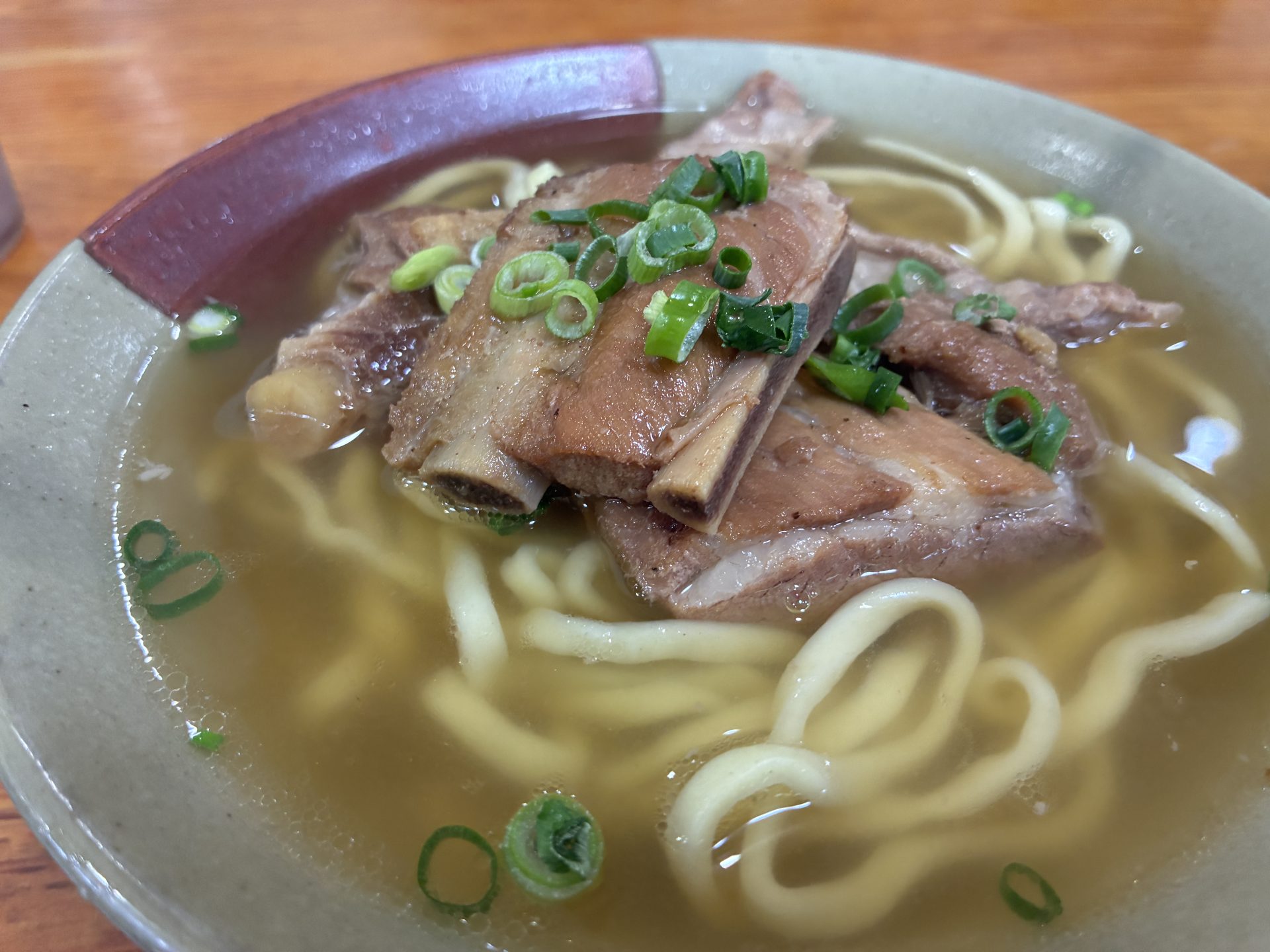
- Lunch: Okinawa soba near Kokusai-dori (warm comfort food)
- Afternoon: T Galleria duty free → SAN-A Naha Main Place (indoor shopping)
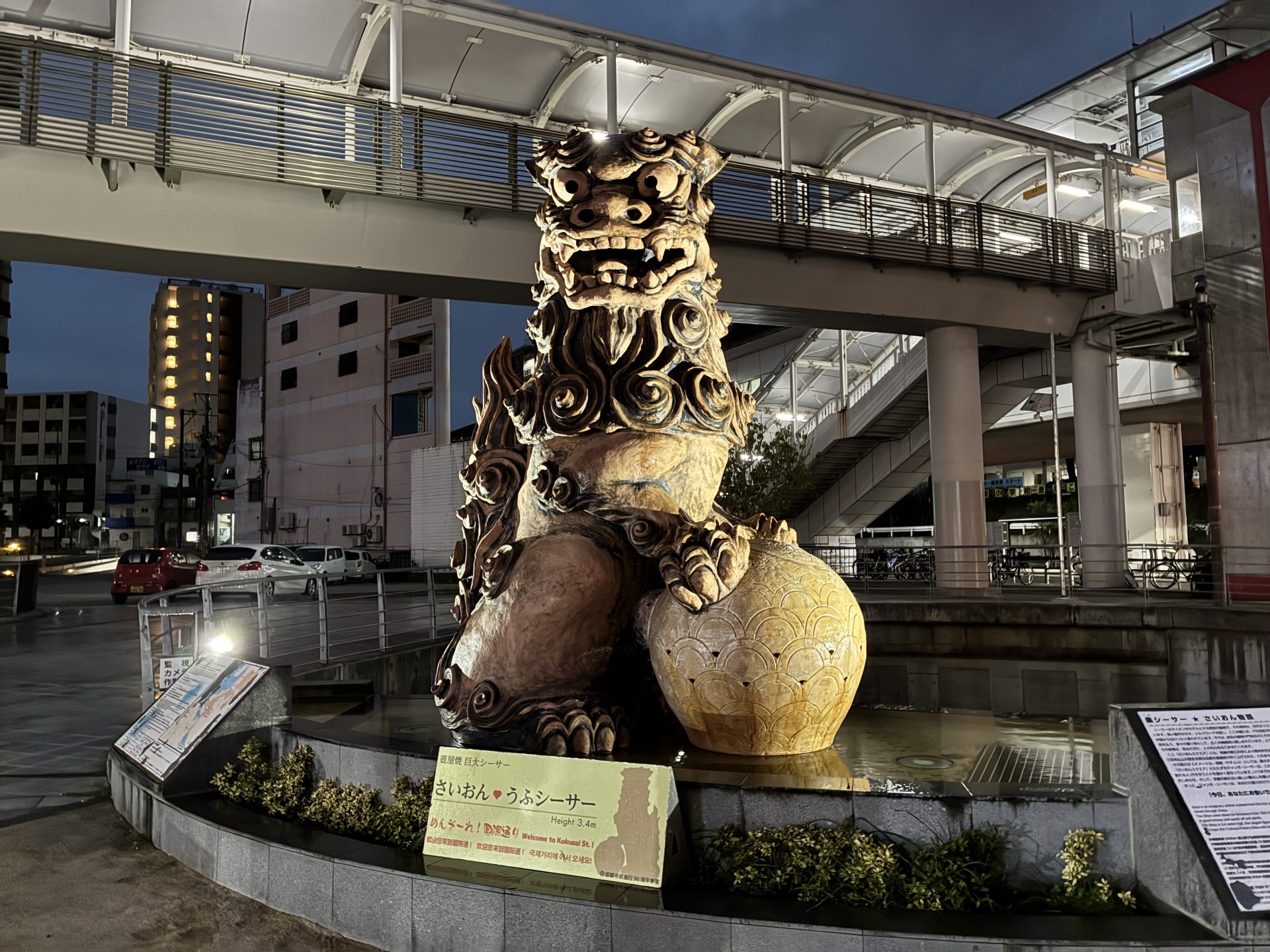
- Evening: Kokusai-dori Yatai-mura (covered street food alley — rain-proof).Or enjoy a meal near Main Place Shintoshin.
- Stay: Naha city center
▸ Day 2 — Naha → Central Okinawa (indoor + outdoor when it clears)
- Morning: Okinawa Prefectural Museum & Art Museum (Shintoshin — indoor, rain-proof)
- Lunch: Taco rice or steak in Shintoshin
- Afternoon: PARCO CITY (a great shopping mall)
- Evening: Chatan American Village → Sunset Beach walk if the rain stops
- Stay: Chatan or Naha
▸ Day 3 — Southern coast drive (if dry) + departure
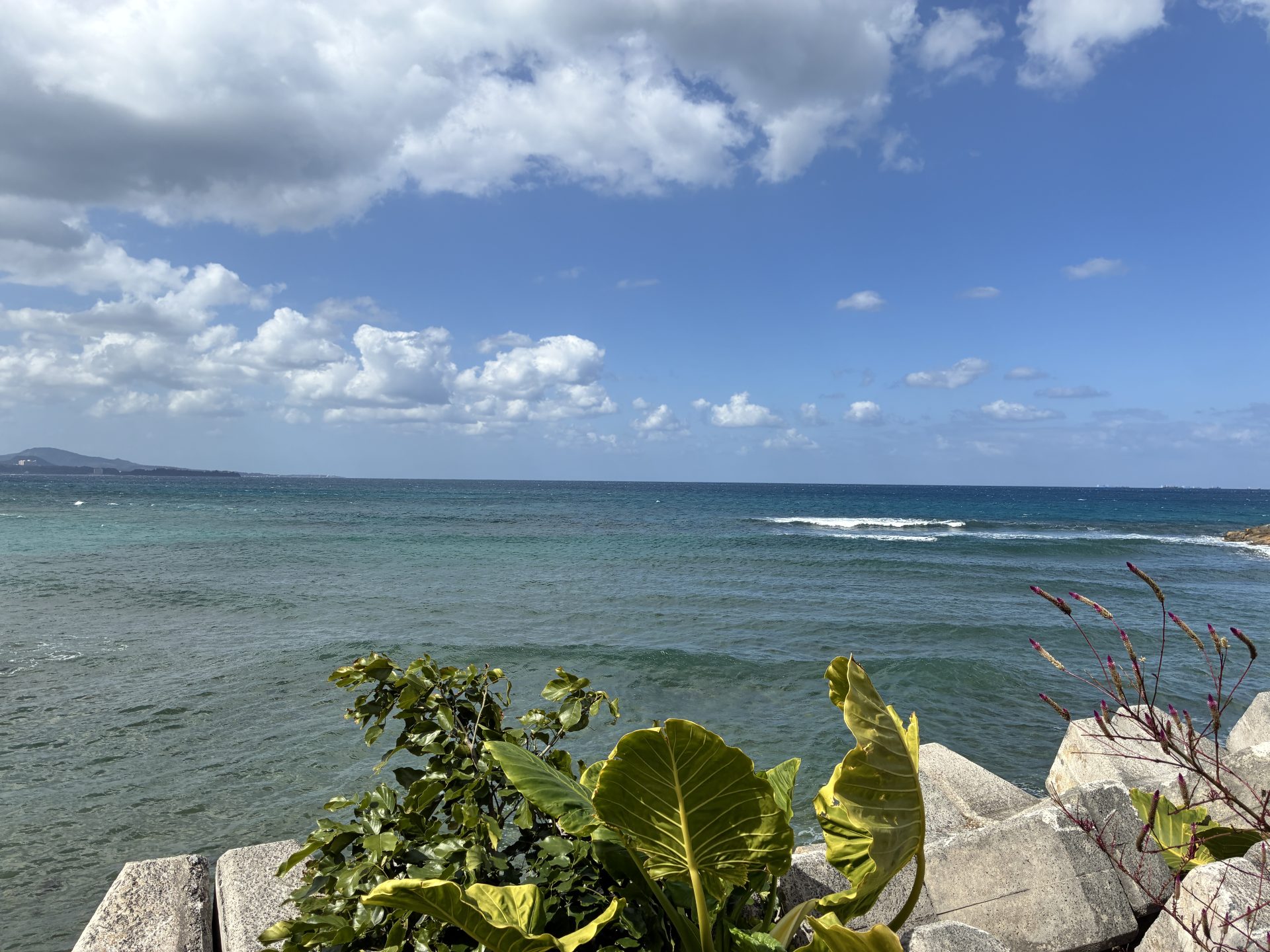
- Morning: Drive the southern coast — the ocean right after rain is unreal
- Lunch: DMM Kariyushi Aquarium (inside iias, indoor attraction)
- Afternoon: Return rental car at Naha Airport → fly out
The pattern is simple — every day has at least one indoor anchor (museum, aquarium, mall, covered shopping street). Rain hits, you go indoors. Rain stops, you go outdoors. That’s the rainy-season Okinawa playbook.
Rainy-Day 4-Day, 3-Night Itinerary (Car Recommended)
With four days, you can reach Churaumi Aquarium in the north — round trip is about 4 hours, so realistically only doable with a car.
▸ Day 1 — Arrival + Naha
- Morning: Naha Airport → rental car pickup
- Lunch: Okinawa soba on Kokusai-dori
- Afternoon: T Galleria → Shopping and dining at Main Place Shintoshin.
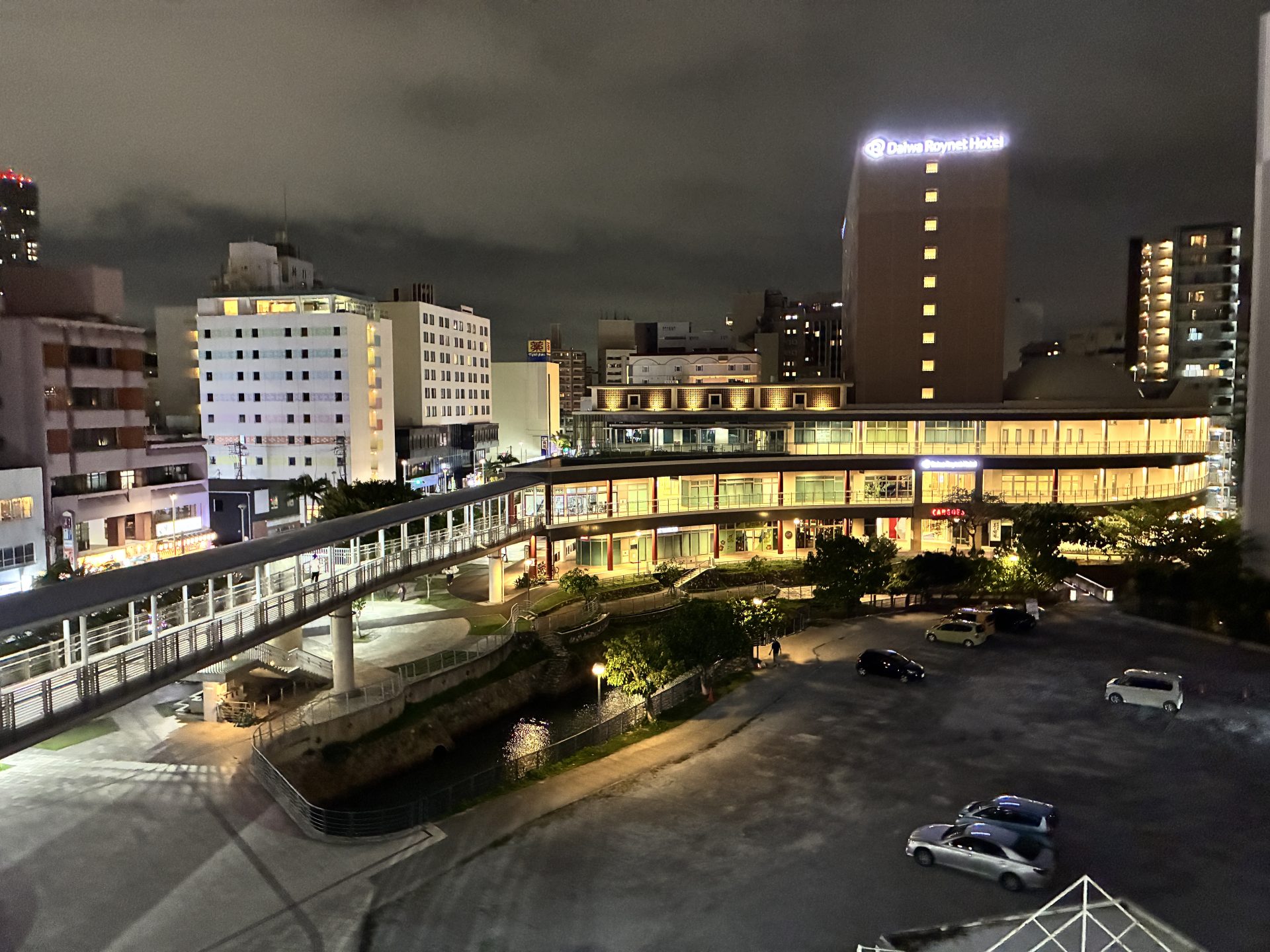
- Evening: Naha night views + hotel rest
- Stay: Naha
▸ Day 2 — Naha → Central → North
- Morning: Okinawa Prefectural Museum
- Lunch: Taco rice in Shintoshin
- Afternoon: Drive north — even in rain, music + drive = good vibes
- Evening: Stay in Motobu or Nago
- Stay: Motobu / Nago
▸ Day 3 — Churaumi + Yanbaru + Northern Nature
- Morning: Churaumi Aquarium — fully indoor, the strongest rainy-season card
- Lunch: Soki soba or seafood bowl in Motobu
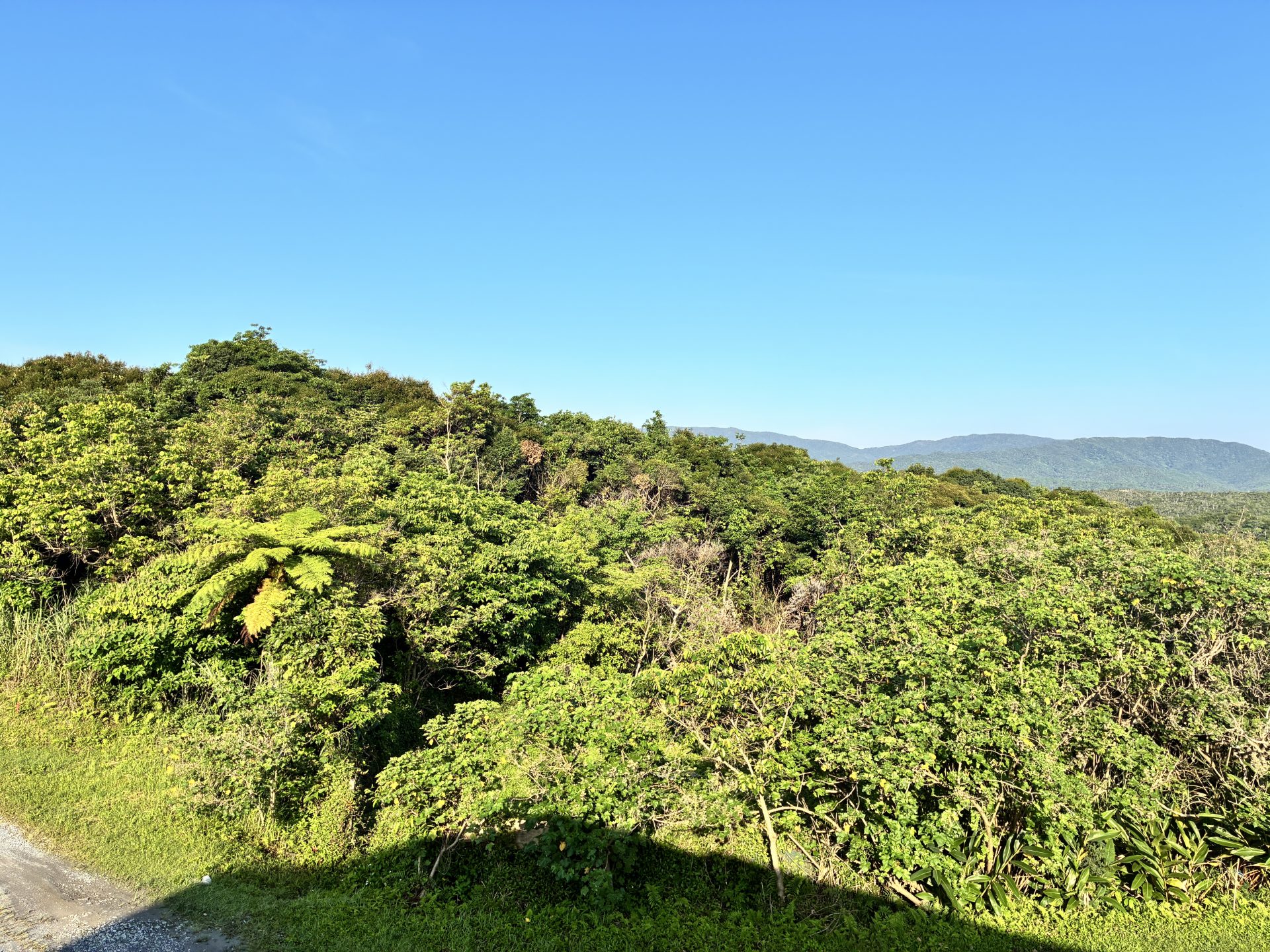
- Afternoon: Kouri Bridge & Kouri Island (clear) / Nago Pineapple Park (rain — semi-indoor)
- Evening: Drive back to Naha
- Stay: Naha
▸ Day 4 — Southern Coast + Departure
- Morning:If the rain stops, head to Senaga Island → Umikaji Terrace. If it rains, visit DMM Kariyushi Aquarium (inside iias, indoor attraction).
- Lunch: Light meal near the airport
- Afternoon: Return car at Naha Airport → fly out
The 4-day itinerary’s killer feature is Churaumi Aquarium. Of all the indoor options on Okinawa, it’s the most satisfying rainy-day card — large scale, well-laid-out, and family-friendly with English signage throughout.
3D2N vs 4D3N — Quick Comparison
| Item | 3D2N | 4D3N |
|---|---|---|
| Coverage | Naha + Central | Naha + Central + North (Churaumi) |
| Churaumi Aquarium | Not recommended | ○ Highly recommended |
| Rental car | Recommended | Practically essential |
| Best for | First-timers, short trips | Families, deeper exploration |
| Rain flexibility | Medium | High (Churaumi as anchor) |
Can You Still Do Marine Activities in the Rain?
The frequently asked question, sorted out:
- Diving / snorkeling: Yes (you’re going underwater anyway)
- SUP / kayak: May be canceled if winds exceed 5 m/s
- Parasailing / banana boat: Sensitive to wind and waves — often canceled in rainy season
- Lightning warnings: All marine activities suspended
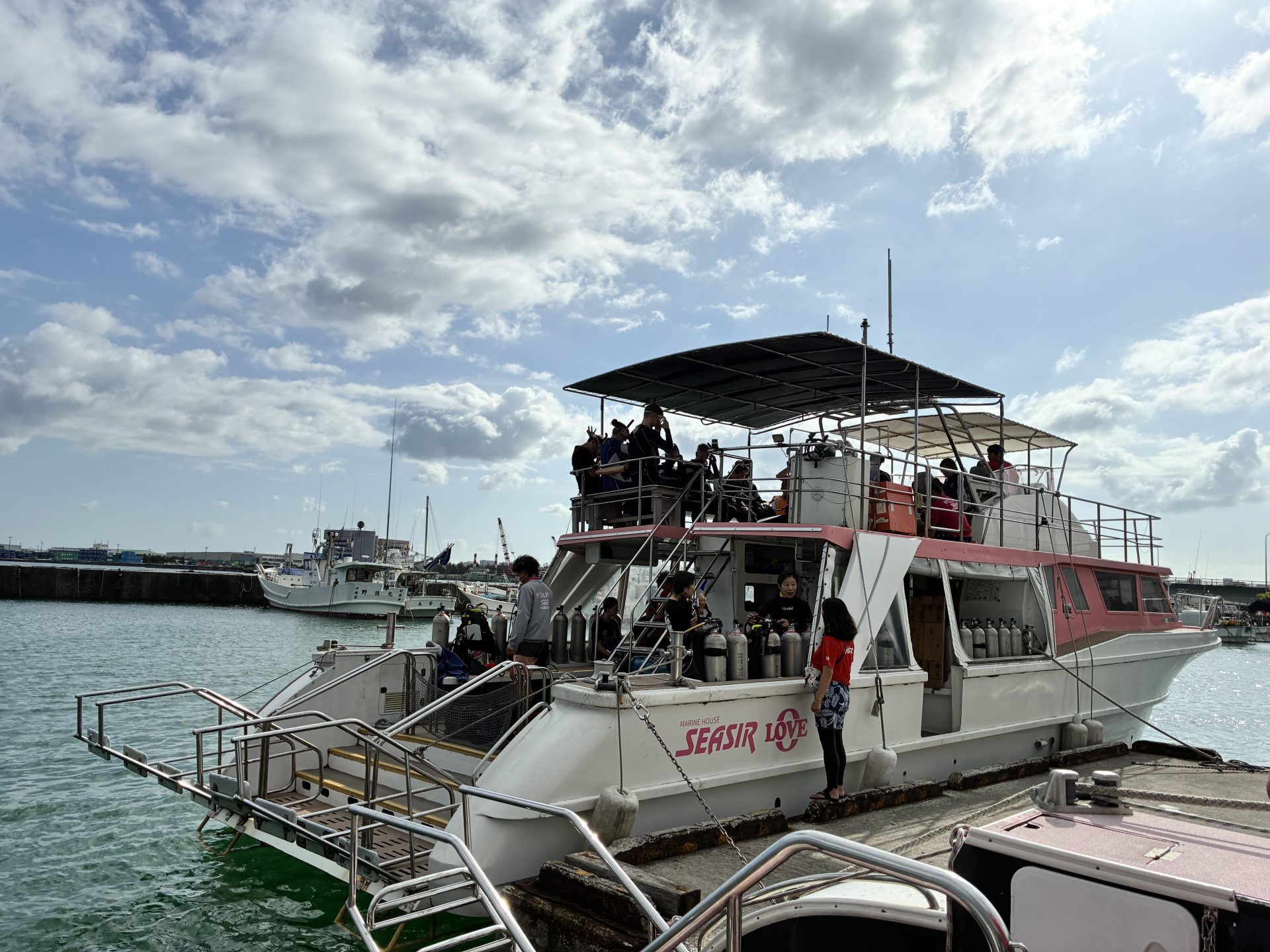
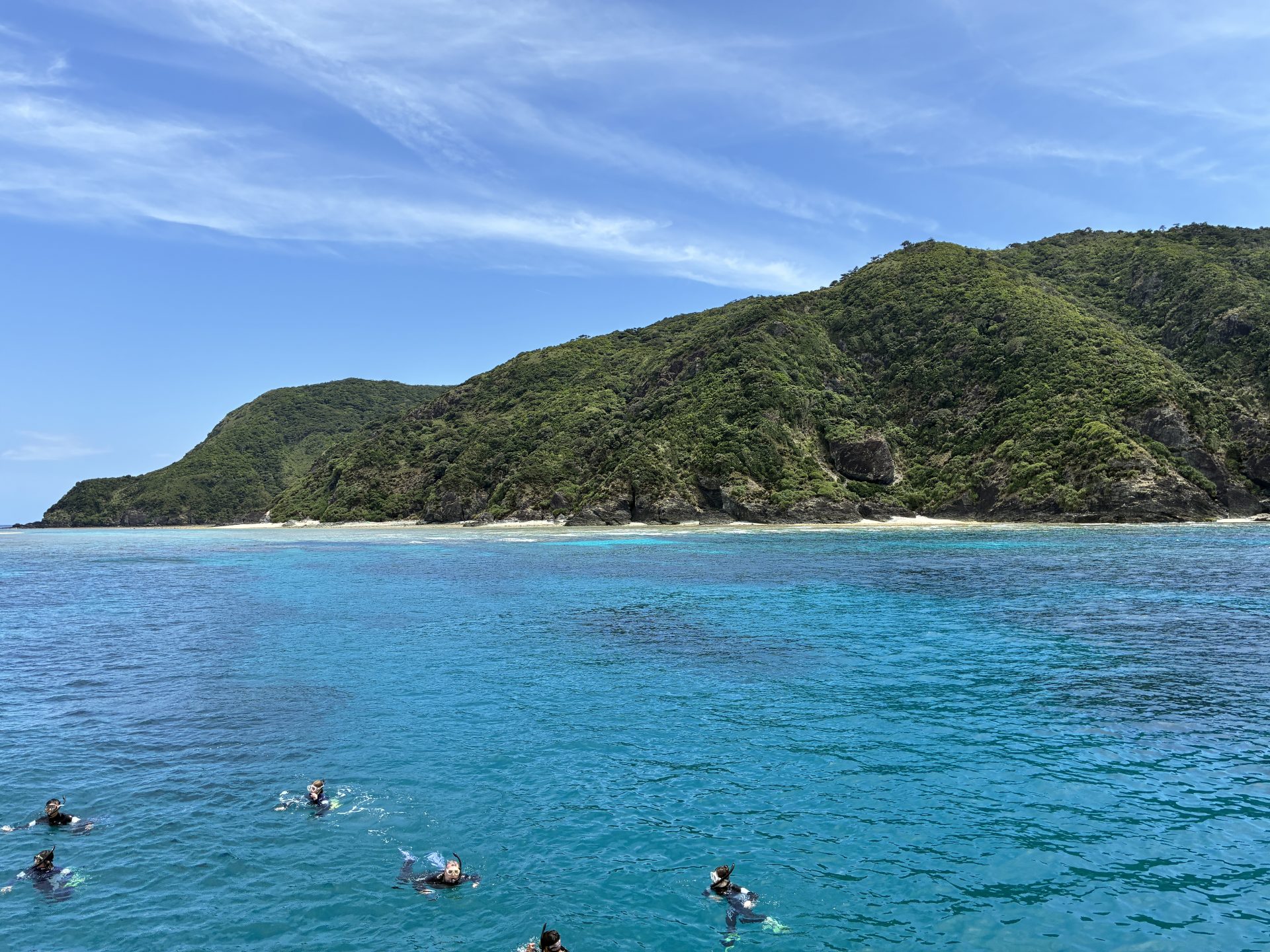
Honestly, diving and snorkeling in the rain can be better — fewer crowds, you can’t see the rain underwater anyway, and water temperature stays stable. Operators decide each morning whether to sail, so when booking always confirm the cancellation/reschedule policy for rainy-season conditions.
What to Pack for May & June Okinawa
Rainy season here is warmer than you’d expect — not full summer, but comfortably warm.
- Daytime: 24–28°C — t-shirts work fine
- Night: 19–22°C — slightly cool, bring a light cardigan or shirt
- Humidity: very high (80–90%) — choose breathable fabrics
- UV: strong even on cloudy days — sunglasses & sunscreen needed
What to bring:
- ☑ Umbrellas (one compact + one full-size)
- ☑ Rain jacket or light waterproof shell (for marine activity & sudden squalls)
- ☑ A second pair of shoes or sandals (in case the first gets soaked)
- ☑ Quick-dry clothing (linen, performance fabrics)
- ☑ Mosquito repellent (mosquitoes are active in rainy season)
Most Okinawa hotels provide slippers, hair dryers, and umbrellas. To travel light, borrow at the hotel.
Things to Watch Out For During Rainy Season
🔸 Flight cancellations are rare — Tsuyu means frequent rain, not typhoons. Typhoons concentrate from July to October, and flights almost never cancel during May or June rainy season. Don’t worry about that.
🔸 Ferries can cancel — Routes from the main island to Kerama, Kumejima, and other outlying islands depend on wind and wave conditions. If you have an outer-island day trip planned, check the morning-of operating status.
🔸 Marine operators decide that morning — Diving and snorkeling outfits typically confirm 1–2 hours before departure. Always check the refund/reschedule policy at booking.
🔸 Mind the humidity — Hotel rooms can feel a bit damp. Don’t lay clothes on the floor — hang them in the closet or on the rack.
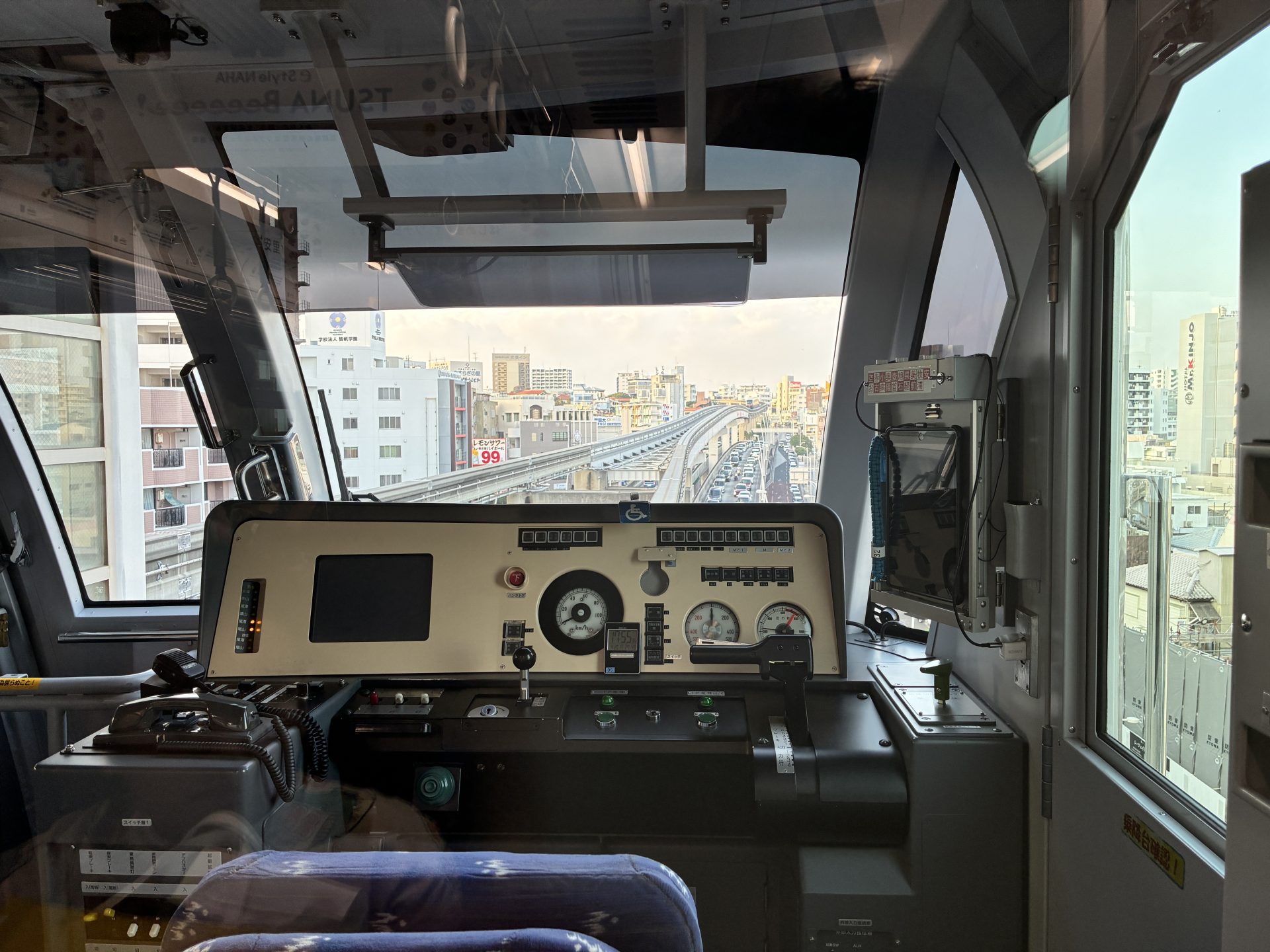
🔸 Monorail and city buses run normally — Public transit isn’t really affected by tsuyu. But you’ll get wet at bus stops, so plan accordingly.
Final Thoughts
Honestly — don’t sweat the rainy season. The travelers who enjoy May/June Okinawa most are the ones who shift their thinking from “what if it rains?” to “what do I do when it rains?”
Okinawa forecasts are unreliable, so don’t pack your itinerary too tight. Mix indoor anchors with outdoor possibilities — and the tool that makes that flexibility possible is, again, a rental car.
GO!GO!TOUR provides full English support for everything — booking, pickup, even rapid response when rainy weather forces a last-minute change. If you’re heading to Okinawa in May or June, you’ve got this. Have a great trip 🌴
Planning a Japan trip? Here are your travel partners 👇
- 🚗 Okinawa Car Rental (GO!GO!TOUR)
- 🏖️ Activities & Diving / Snorkeling
- 🎟️ Japan Discount Coupons
- 📱 Japan eSIM
- 🏨 Okinawa Hotels
- 🍴 Okinawa Food & Travel Info