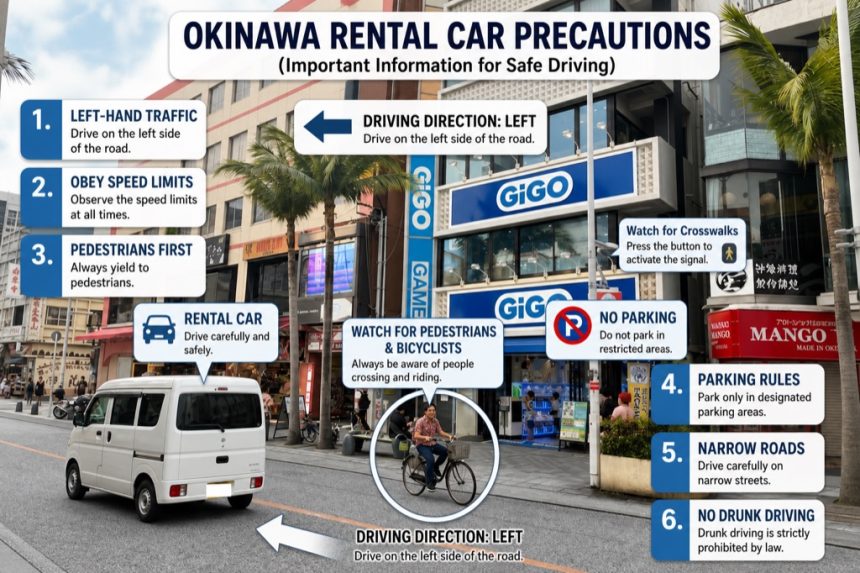
Japan Rental Car Precautions — 8 Essential Rules You Must Know Before Driving in Japan
Driving in Japan is one of the best ways to explore the countryside — from Okinawa’s coastal roads to the mountain villages of Kyushu. But for first-time foreign drivers, Japan’s rules can be surprisingly strict, and one small mistake can mean a denied rental, a heavy fine, or worse. This guide walks you through the 8 essential Japan rental car precautions every traveler should know, with practical examples from Okinawa where most international drivers start their Japan road trips.
👉 Need to compare cars and book in English? GO!GO!TOUR Japan rental car offers English support, transparent pricing, and Okinawa airport pickup.
Save this infographic for quick reference — it covers the same 8 points we explain in detail below.
Quick Reference: The 8 Japan Rental Car Precautions
| # | Precaution | Why It Matters |
|---|---|---|
| 1 | International Driving Permit (IDP) + Passport + Home Licence | All three originals required — no copies accepted |
| 2 | NOC Insurance + CDW (Collision Damage Waiver) | NOC is uniquely Japanese — covers business loss during repairs |
| 3 | Photograph the car before driving off | Prevents disputes over pre-existing damage |
| 4 | Always stop at “止まれ” (Tomare) | Japan’s stop signs require a full stop — strictly enforced |
| 5 | Regular gasoline = RED nozzle | Opposite of many countries — green is diesel here |
| 6 | Park only in designated lots | Street parking is heavily fined and towed |
| 7 | Zero tolerance on drunk driving | One sip can mean jail, fines up to ¥1,000,000, and deportation |
| 8 | Pre-rent an ETC card for tolls | Avoid cash-only “一般” lanes and long queues |
1. International Driving Permit + Passport + Home Licence — All Three Originals
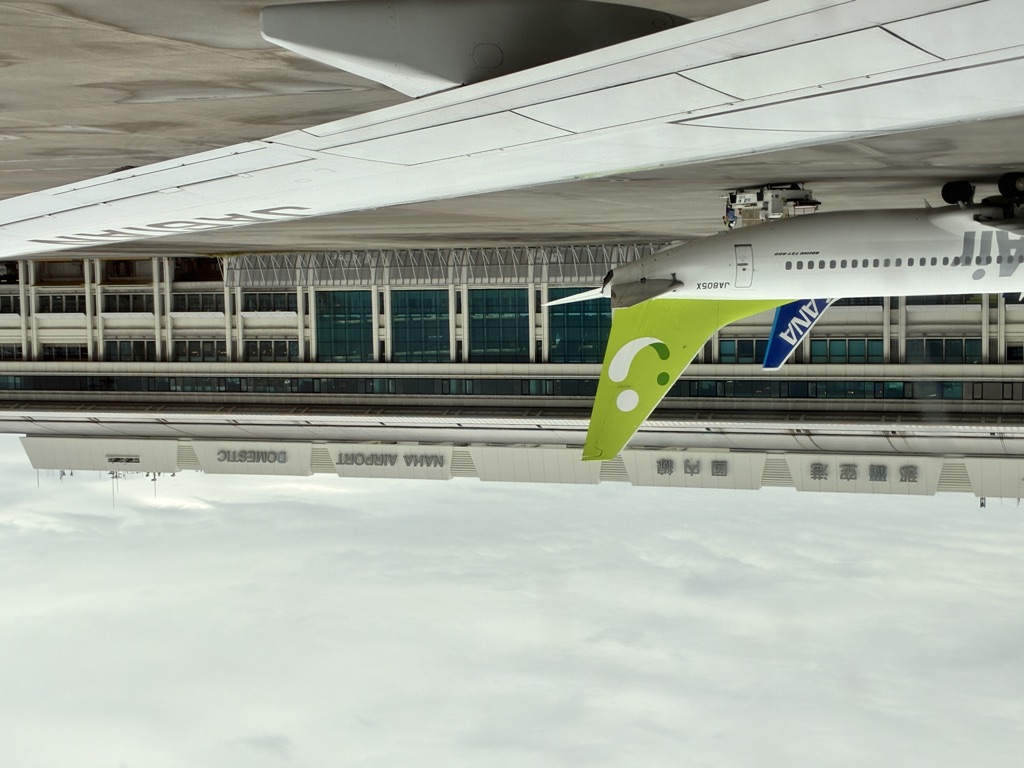
Japan accepts driving permits only from countries that signed the 1949 Geneva Convention on Road Traffic. For the full list of accepted countries, check the Japan Automobile Federation (JAF) official page. That includes most North American, European, and Asian countries — but always check before your trip. You must bring all three documents as physical originals:
- International Driving Permit (IDP) — Issued in your home country before departure. Valid for one year. Photocopies and scans are not accepted.
- Your home country’s driver’s licence — The original, not a digital wallet copy.
- Your passport — Used to confirm your entry stamp matches the IDP holder.
- Drivers from Germany, Switzerland, Taiwan, Monaco, Belgium, Slovenia — IDPs from these countries are not valid in Japan. You need a Japanese-language translation of your home licence (issued by JAF or your embassy).
If any of the three is missing or you brought only a copy, the rental counter will refuse to release the car — no exceptions. This is the single most common reason foreigners are denied rentals in Japan. Keep all three on you at all times while driving; police checkpoints can request them on the spot.
2. Insurance — Always Add NOC on Top of CDW
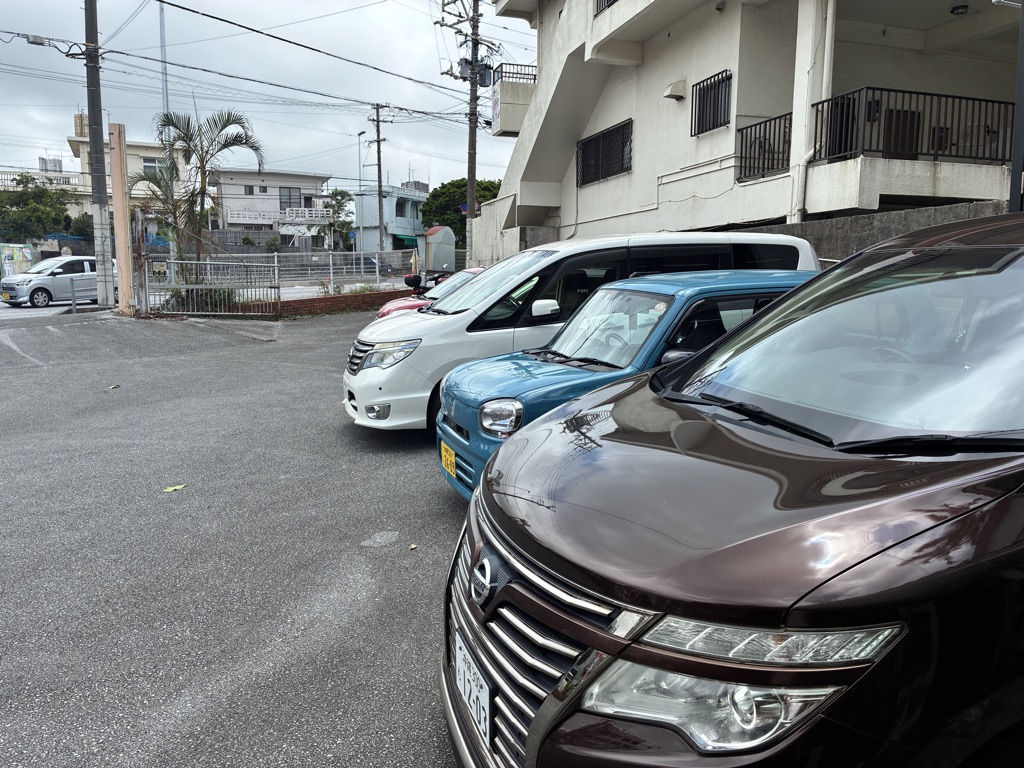
Japanese rental insurance has two layers, and most foreign drivers only know the first one.
| Insurance | What It Covers | Required? |
|---|---|---|
| CDW (Collision Damage Waiver) | Damage repair costs after an accident. A deductible of ¥50,000 – ¥100,000 still applies. | Usually included by default |
| NOC (Non-Operation Charge) | The “lost revenue” the rental company charges you while the car is in the shop. Typically ¥20,000 – ¥50,000 per incident. | Strongly recommended add-on |
NOC is unique to Japan. Even a minor bumper scratch can leave you on the hook for both the deductible and the NOC charge — easily ¥70,000 or more for a small accident. For roughly ¥1,000–¥2,000 per day, the NOC waiver removes this entirely. When booking, look for an option labelled “Full Coverage,” “Anshin Pack,” or “NOC Waiver” and confirm it’s enabled.
For first-time drivers, the peace of mind alone is worth it. The GO!GO!TOUR FAQ page covers insurance terms in plain English: en.gogo-tour.com/car/about/faq.php.
3. Photograph the Car Before You Drive Off
A 5-minute habit that prevents 100% of return disputes. The rental staff will walk around the car with you and mark existing scratches on a diagram, but small details often get missed and reappear as “your damage” at return time.
Take dated photos (your phone adds timestamps automatically) of these 7 points:
- Full exterior — front, rear, left, right (4 shots)
- All four wheel rims and tire sidewalls
- Front and rear bumpers in close-up
- Driver’s seat, rear seats, and any pre-existing stains
- Dashboard with odometer reading and fuel gauge visible
- Trunk interior
- The navigation screen (confirm English mode is available)
Better still — record a slow 30-second walkaround video. If a dispute happens at return, you have unambiguous proof of pre-existing condition.
4. “止まれ” (Tomare) Means Full Stop — Not “Slow Down”
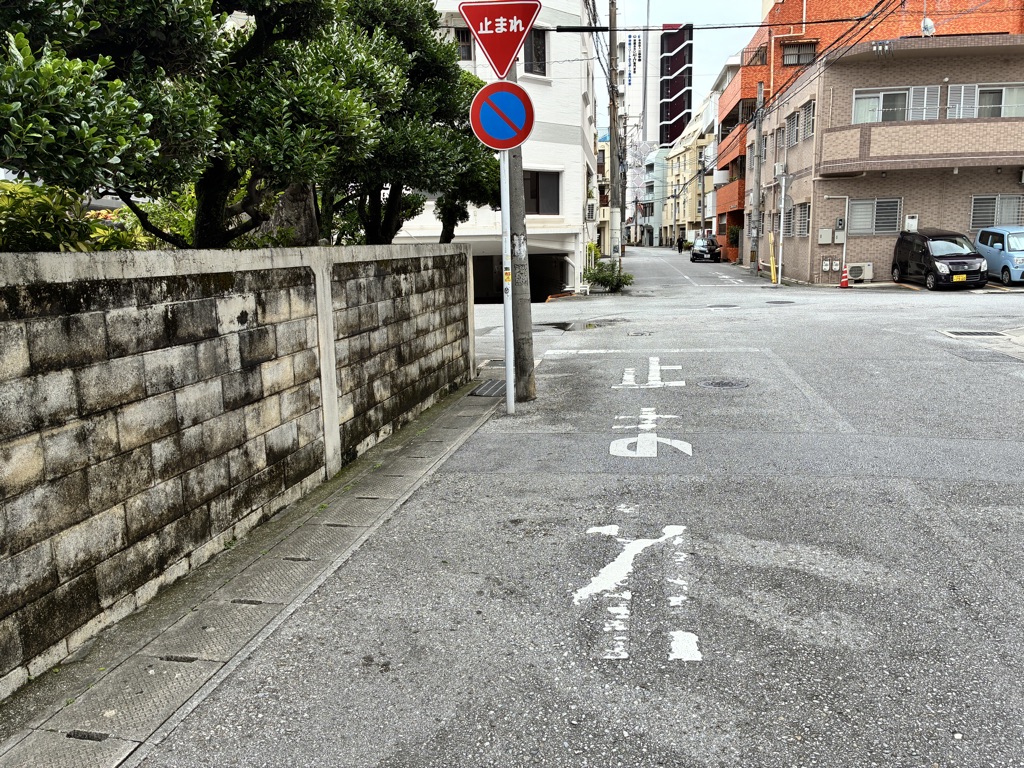
You will see this red inverted triangle — and the matching white paint on the road — constantly in Japan, especially on residential streets. “止まれ” (tomare) means “stop,” and Japanese police enforce it as a complete stop. Slowing down and rolling through is a violation, even on an empty street at midnight.
The correct procedure:
- See the sign or the road paint.
- Come to a full stop — wheels stationary, not just slow.
- Look both ways carefully.
- Proceed only when clearly safe.
Fines for failing to fully stop start around ¥7,000 and add points to a Japanese driving record (which doesn’t affect you long-term, but you’ll be detained for the citation). On Okinawa’s narrow island roads, you’ll encounter dozens of these in a single day — get into the habit on day one.
5. Gas Pump Colors — Red Is Regular, Green Is Diesel
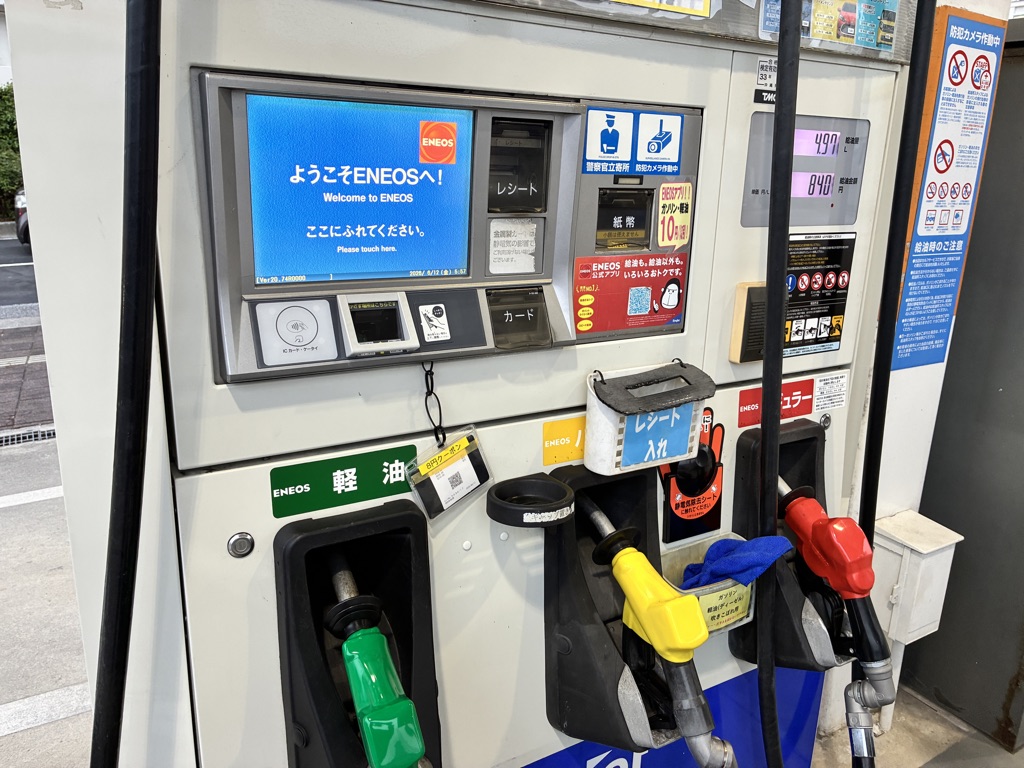
This trips up many North American and European drivers because the color coding is the opposite of what you might expect. In Japan, fuel nozzle colors are standardized nationwide:
| Nozzle Color | Fuel | Japanese Label | For Rental Cars? |
|---|---|---|---|
| 🔴 Red | Regular gasoline | レギュラー (regyura) | Yes — 99% of rental cars |
| 🟡 Yellow | High-octane / Premium | ハイオク (haioku) | Some premium models only |
| 🟢 Green | Diesel | 軽油 (keiyu) | Almost never — confirm before fueling |
Confused at the pump? At a full-service station, tell the attendant “regyura mantan” (レギュラー満タン) — regular, full tank. At self-service stations, look for the red nozzle and red labelling on the pump screen.
Important: Putting diesel in a gasoline car will destroy the engine and you’ll be billed for the entire car. Double-check before pulling the trigger.
Also: return the car with a full tank. Most rentals charge premium per-litre rates if you don’t, plus a refuelling fee. Find a gas station within 5 km of your return location and top up there.
6. Parking — Only in Designated Lots, Never on the Street
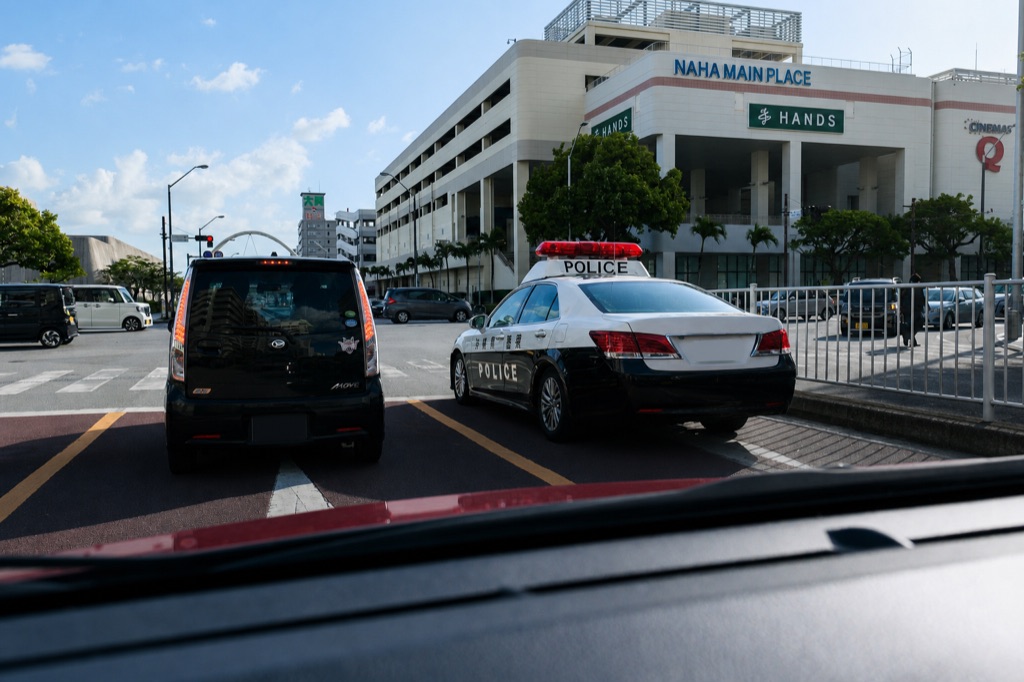
You’ll see police cars frequently in Japan — and they take parking enforcement seriously. Street parking is almost always illegal, and even a brief “just running into the store” stop can mean a ticket or a tow.
Use only one of these three types of legitimate parking:
- Tourist site parking — Major attractions like Churaumi Aquarium, Shuri Castle, and Miyakojima beaches almost always have free or low-cost parking.
- Hotel parking — Most Japanese hotels include free or paid guest parking. Confirm at check-in.
- Coin parking (コインパーキング) — Small pay-and-display lots all over urban areas. Typically ¥100–¥300 per 30 minutes.
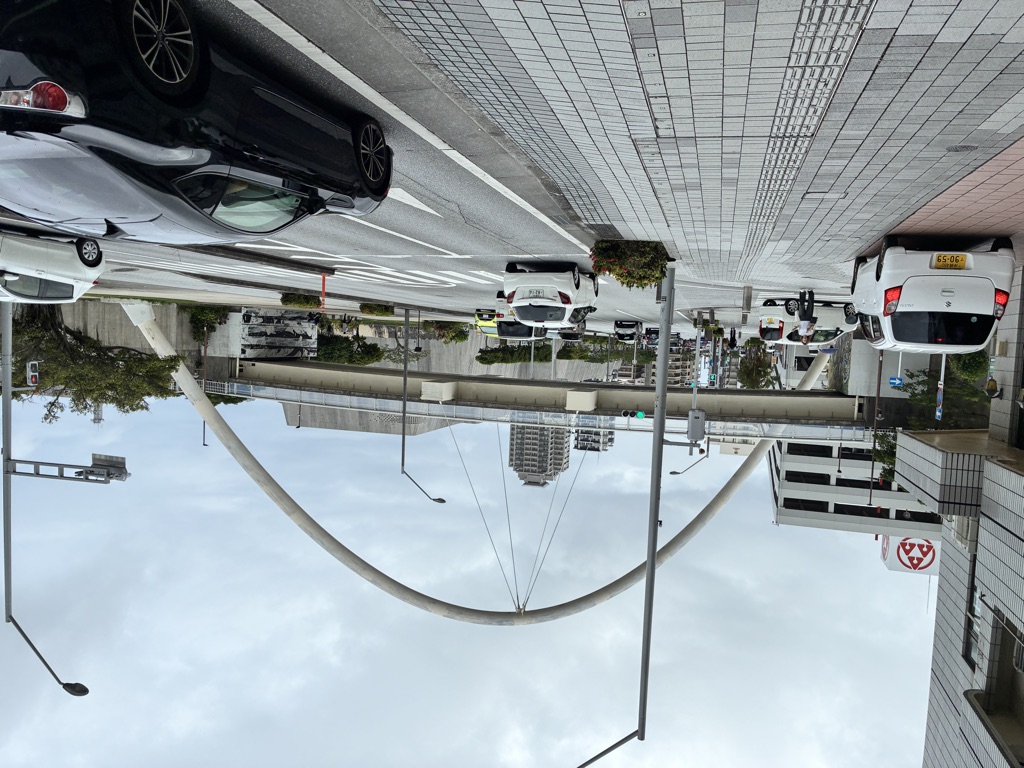
Coin parking has a hidden quirk: most lots use a flap lock — a metal plate that rises under your car when you park, locking it in place. Before you leave, walk to the central payment machine, enter your parking space number, pay the displayed fee in cash or with IC card (Suica, ICOCA), and the flap will lower. Skip this step and you cannot drive out.
7. Drunk Driving — Zero Tolerance, Severe Penalties
Of all Japan rental car precautions, this is the one that catches foreigners most often. Japan has a near-zero tolerance policy: the legal BAC limit is 0.03%, but enforcement targets even one beer or one glass of wine. Penalties are far stricter than in most Western countries.
| Offense | Penalty |
|---|---|
| Driving over BAC 0.03% | Up to 3 years in prison or fine up to ¥500,000 |
| Driving under influence (visibly impaired) | Up to 5 years in prison or fine up to ¥1,000,000 |
| Foreign offender — additional | Likely deportation + possible re-entry ban |
| Anyone who provided alcohol or rode with the driver | Also criminally liable |
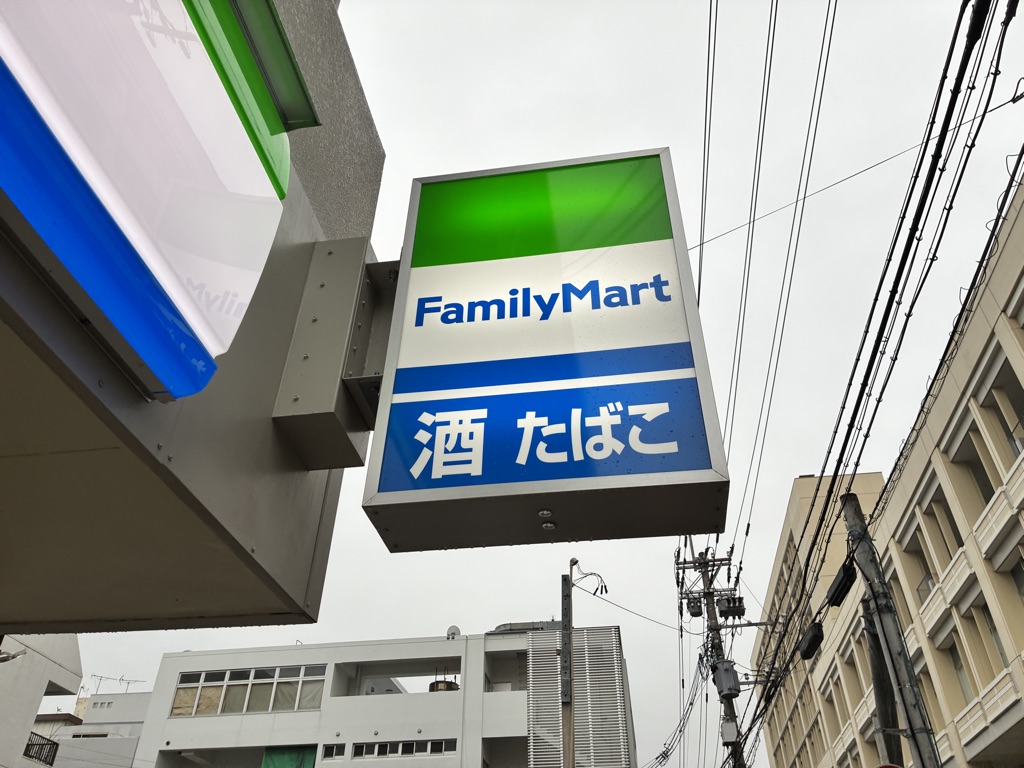
Going out for dinner with a beer or sake? Leave the car at your hotel and take a taxi or train. Even sleeping in your parked car after drinking is grounds for arrest in Japan (“intent to operate”). Convenience stores like FamilyMart, Lawson, and 7-Eleven sell non-alcoholic beer (ノンアルコールビール) 24/7 — perfect for the driver while passengers enjoy the real thing.
8. Highway Tolls — Pre-Rent an ETC Card
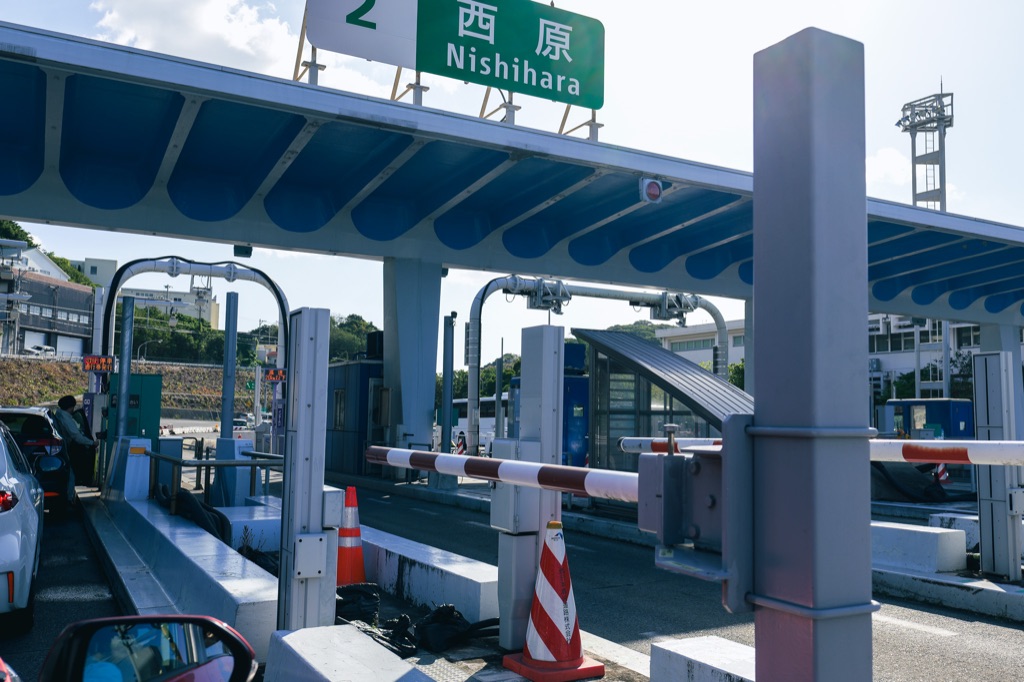
Japan’s expressways are tolled, and the toll system has two lanes at every gate:
| Lane | Method | Pros & Cons |
|---|---|---|
| “一般” (Ippan) | Cash payment | Slower queues, need exact change, attended booth — no English support |
| “ETC” | Pre-installed transponder + ETC card | Drive through without stopping, automatic billing, slight discount on tolls |
If you plan to use highways even once (Okinawa Expressway, Tokyo Metropolitan, or Kyushu Expressway), add an ETC card to your rental booking. Most rental companies offer the card for ¥300–¥500 per day, and the toll charges are added to your final bill — paid by credit card at return. Worth every yen for the time saved and stress avoided.
FAQ — Japan Rental Car Precautions: Common Questions Answered
Q. Can I drive in Japan with just my home country’s licence?
No. You need an International Driving Permit (IDP) issued under the 1949 Geneva Convention, plus your home licence and passport — all three originals. Drivers from Germany, Switzerland, Taiwan, Monaco, Belgium, and Slovenia must use a Japanese translation of their home licence instead.
Q. Is NOC insurance really worth it?
Yes. For ¥1,000–¥2,000 per day, NOC waives the ¥20,000–¥50,000 “non-operation charge” that applies even to minor accidents. Without it, a small bumper scratch can cost you ¥70,000 or more.
Q. What color is regular gasoline in Japan?
Red. Japanese gas stations use red nozzles for regular gasoline (レギュラー), yellow for high-octane, and green for diesel. This is the opposite of many other countries — be careful.
Q. What is “止まれ” and what should I do?
“Tomare” means stop. It’s Japan’s stop sign, shown as a red inverted triangle and also painted on the road. You must come to a complete stop, look both ways, and proceed only when safe. Rolling through is a finable offense.
Q. Can I park on the street briefly while I run into a store?
No. Japanese police actively enforce parking laws. Use only tourist-site parking, hotel parking, or coin parking (コインパーキング).
Q. What is the legal blood-alcohol limit in Japan?
0.03% — but enforcement is effectively zero tolerance. Even one beer can result in arrest, fines up to ¥1,000,000, and deportation for foreigners. Never drink and drive.
Q. Do I need an ETC card if I’m only driving in cities?
Not strictly necessary if you avoid expressways entirely. But for any trip between cities, or visiting destinations like Churaumi Aquarium (Okinawa), an ETC card saves hours over the course of a trip.
Q. What happens if I get into a small accident with the rental car?
1) Stop immediately and check for injuries. 2) Call 110 for police — required by law for any accident. 3) Call the rental company’s emergency line (printed on the keychain). 4) Take photos of all damage. 5) Do not negotiate with the other party in cash — let insurance handle it.
Q. Can I drive in Japan if I only have a digital licence on my phone?
No. Japan requires the physical original plastic card. Digital wallet licences (Apple Wallet, Google Wallet, etc.) are not accepted by rental companies or police.
Q. Where can I find more answers from a Japanese rental company?
GO!GO!TOUR maintains an English FAQ specifically for foreign drivers: en.gogo-tour.com/car/about/faq.php.
Why Okinawa Is the Best Place for Your First Japan Rental Car Trip
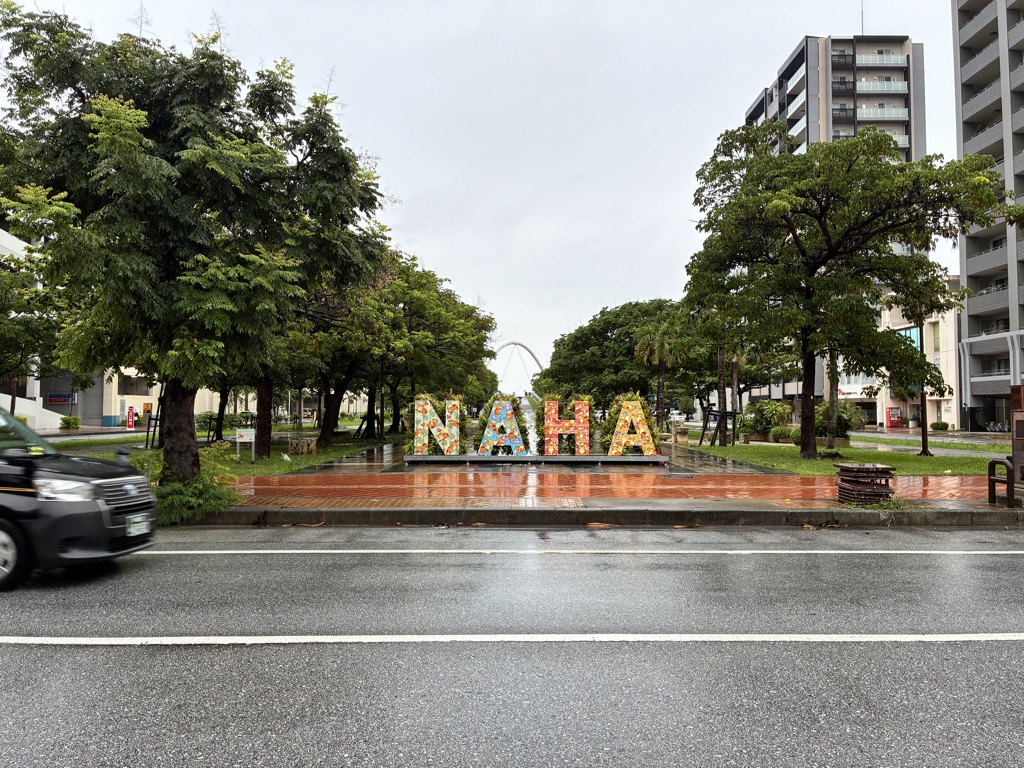
If you’ve never driven in Japan before, Okinawa is the best place to start. Roads are wide, traffic is light, signage is multilingual (Japanese, English, Korean, Chinese in many areas), and parking is overwhelmingly free. The same rules apply to all of Japan, but Okinawa is the most forgiving classroom.
Add a rental car to your Okinawa itinerary and you’ll unlock places that no bus or taxi can reach — from Cape Manzamo’s sunset cliffs to Kouri Island’s heart-shaped rock to the wild north of the main island.
Wrap-Up — Japan Rental Car Precautions in 30 Seconds
Save this list to your phone before your flight. These are the 8 Japan rental car precautions that prevent 95% of foreign-driver problems.
- Bring IDP + passport + home licence — all originals.
- Add NOC insurance on top of CDW.
- Photograph the car before you drive off.
- Fully stop at every “止まれ” (Tomare) sign.
- Red nozzle = regular gasoline.
- Park only in designated lots — never on the street.
- Zero alcohol before driving.
- Add an ETC card for highways.
Book Your Japan Rental Car in English with GO!GO!TOUR — Okinawa Specialists.
GO!GO!TOUR operates rental car pickup at every major Okinawa airport with English-speaking staff, transparent pricing, NOC waiver options, and ETC card add-ons. All the precautions in this guide are walked through with you in person at pickup.
🚗 Search Japan rental cars by category
- 🚗 Kei-car (K) search — narrowest body, easiest for first-time Japan drivers
- 🚗 Compact (S) search — 2–3 travelers, hybrid options (Yaris, Aqua)
- 🚗 Mid-size / Wagon (M/W) search — 4–5 travelers with luggage
- 🚗 Minivan (V) search — 6–8 travelers, families
📖 Rental car FAQ for foreign drivers (English)
🏖️ Okinawa marine activities — snorkeling, diving, SUP
🍴 Okinawa travel guides — spots, food, itineraries

Drive safe, and enjoy Japan from behind the wheel 🌴